
关于与 COVID-19 大流行相关的海洋环境中的个人防护装备,我们需要了解什么。
What we need to know about PPE associated with the COVID-19 pandemic in the marine environment.
机构信息
Universidad San Ignacio de Loyola, Av. La Fontana 501, Lima 12, Lima, Peru.
Faculty of Chemical and Food Engineering, Bahir Dar Institute of Technology-Bahir Dar University, Bahir Dar, Ethiopia.
出版信息
Mar Pollut Bull. 2021 Feb;163:111879. doi: 10.1016/j.marpolbul.2020.111879. Epub 2020 Nov 28.
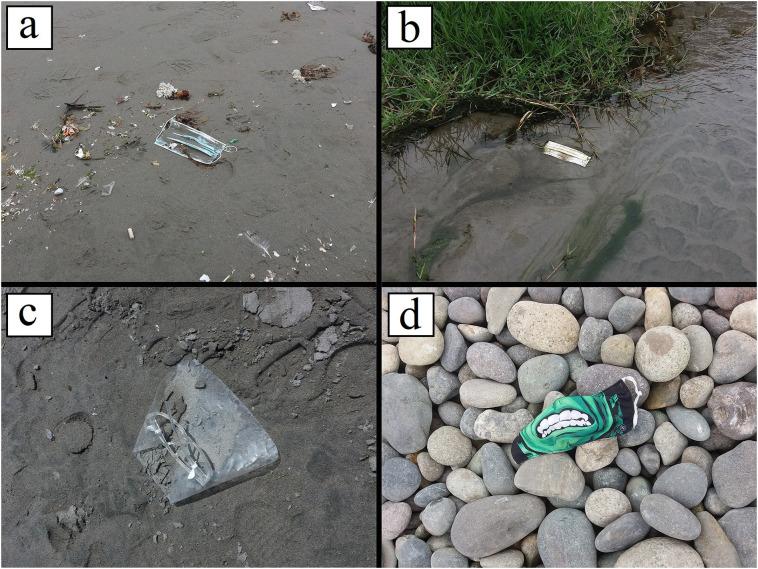
Since the COVID-19 outbreak was declared as a global health emergency, the use of multiple types of plastic-based PPEs as a measure to reduce the infection increased tremendously. Recent evidence suggests that the overuse of PPEs during the COVID-19 pandemic is worsening plastic pollution in the marine environment. In this short focus, we discussed the potential sources, fate, and effects of PPE plastic to the marine environment and proposed five key research needs, involving (1) the occurrence and abundance of PPEs, (2) the sources, fate, and drivers of PPEs, (3) PPEs as a source of microplastics, (4) PPEs as a vector of invasive species and pathogens, and (5) PPEs as a source and vector of chemical pollutants in the marine environment. We suggest that addressing these knowledge gaps will lay the groundwork for improved COVID-19-associated waste management and legislation to prevent marine plastic pollution to continue exacerbating.
自 COVID-19 疫情被宣布为全球卫生紧急事件以来,人们大量使用多种类型的基于塑料的个人防护设备来减少感染。最近的证据表明,在 COVID-19 大流行期间过度使用个人防护设备正在加剧海洋环境中的塑料污染。在这个简短的焦点中,我们讨论了个人防护设备塑料对海洋环境的潜在来源、命运和影响,并提出了五个关键的研究需求,包括(1)个人防护设备的出现和丰度,(2)个人防护设备的来源、命运和驱动因素,(3)个人防护设备作为微塑料的来源,(4)个人防护设备作为入侵物种和病原体的载体,以及(5)个人防护设备作为海洋环境中化学污染物的来源和载体。我们建议,解决这些知识空白将为改善与 COVID-19 相关的废物管理和立法奠定基础,以防止海洋塑料污染继续恶化。


 Zotero 插件