
常见人畜共患病原体与集约化动物饲养场的关联
Association of Common Zoonotic Pathogens With Concentrated Animal Feeding Operations.
作者信息
Guo Yaqiong, Ryan Una, Feng Yaoyu, Xiao Lihua
机构信息
Center for Emerging and Zoonotic Diseases, College of Veterinary Medicine, South China Agricultural University, Guangzhou, China.
Vector- and Water-Borne Pathogen Research Group, Harry Butler Institute, Murdoch University, Murdoch, WA, Australia.
出版信息
Front Microbiol. 2022 Jan 10;12:810142. doi: 10.3389/fmicb.2021.810142. eCollection 2021.
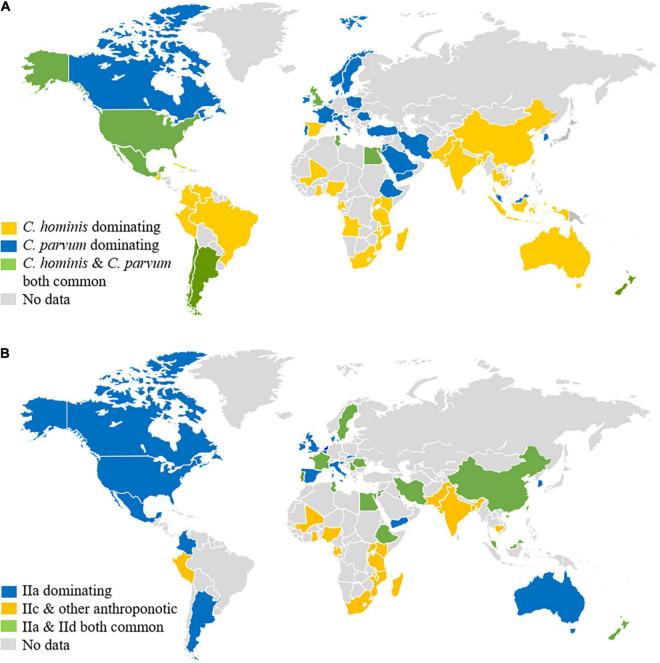
Animal farming has intensified significantly in recent decades, with the emergence of concentrated animal feeding operations (CAFOs) in industrialized nations. The congregation of susceptible animals in CAFOs can lead to heavy environmental contamination with pathogens, promoting the emergence of hyper-transmissible, and virulent pathogens. As a result, CAFOs have been associated with emergence of highly pathogenic avian influenza viruses, hepatitis E virus, O157:H7, , livestock-associated methicillin-resistant , and in farm animals. This has led to increased transmission of zoonotic pathogens in humans and changes in disease patterns in general communities. They are exemplified by the common occurrence of outbreaks of illnesses through direct and indirect contact with farm animals, and wide occurrence of similar serotypes or subtypes in both humans and farm animals in industrialized nations. Therefore, control measures should be developed to slow down the dispersal of zoonotic pathogens associated with CAFOs and prevent the emergence of new pathogens of epidemic and pandemic potential.
近几十年来,随着工业化国家集中式动物饲养场(CAFOs)的出现,畜牧业集约化程度显著提高。在CAFOs中易感动物的聚集会导致病原体对环境的严重污染,促使高传播性和高致病性病原体的出现。因此,CAFOs与高致病性禽流感病毒、戊型肝炎病毒、O157:H7、耐甲氧西林的家畜相关菌以及农场动物中的其他病原体的出现有关。这导致了人畜共患病原体在人类中的传播增加以及普通社区疾病模式的变化。其表现为通过直接和间接接触农场动物而频繁爆发疾病,以及在工业化国家的人类和农场动物中广泛存在相似的血清型或亚型。因此,应制定控制措施,以减缓与CAFOs相关的人畜共患病原体的传播,并防止具有流行和大流行潜力的新病原体出现。

 Zotero 插件