
脓毒症病理生理学的新方面:NETs、血浆糖蛋白、血管内皮病和 COVID-19。
Novel aspects of sepsis pathophysiology: NETs, plasma glycoproteins, endotheliopathy and COVID-19.
机构信息
Department of Translational Research and Drug Development, Okayama University Graduate School of Medicine, Dentistry and Pharmaceutical Sciences, 2-5-1 Shikata-cho, Kita-ku, Okayama, 700-8558, Japan.
出版信息
J Pharmacol Sci. 2022 Sep;150(1):9-20. doi: 10.1016/j.jphs.2022.06.001. Epub 2022 Jun 15.
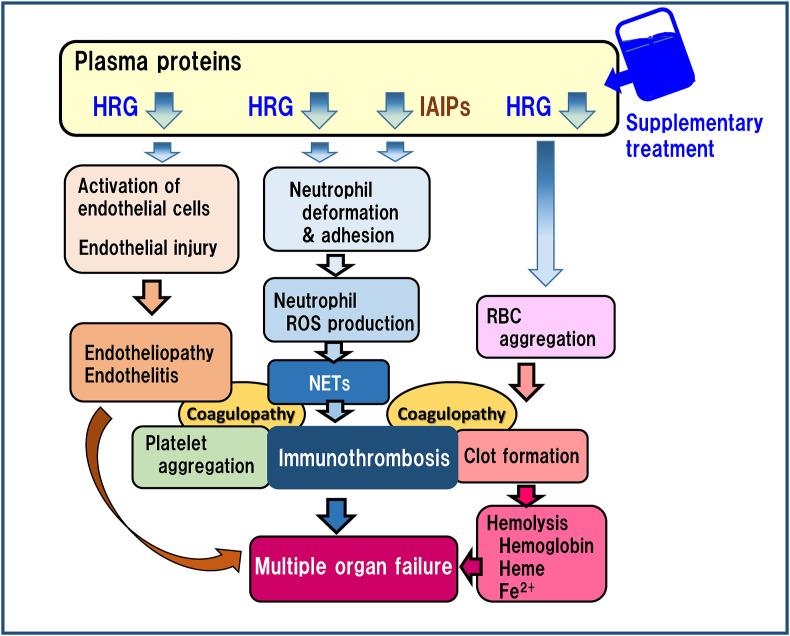
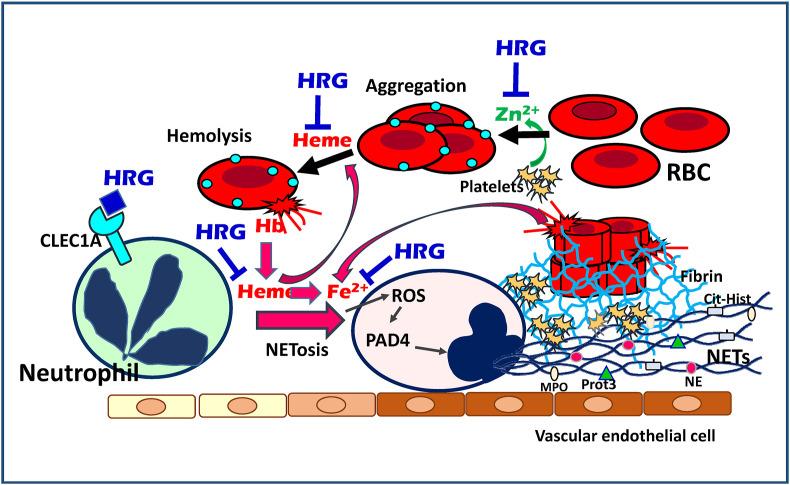
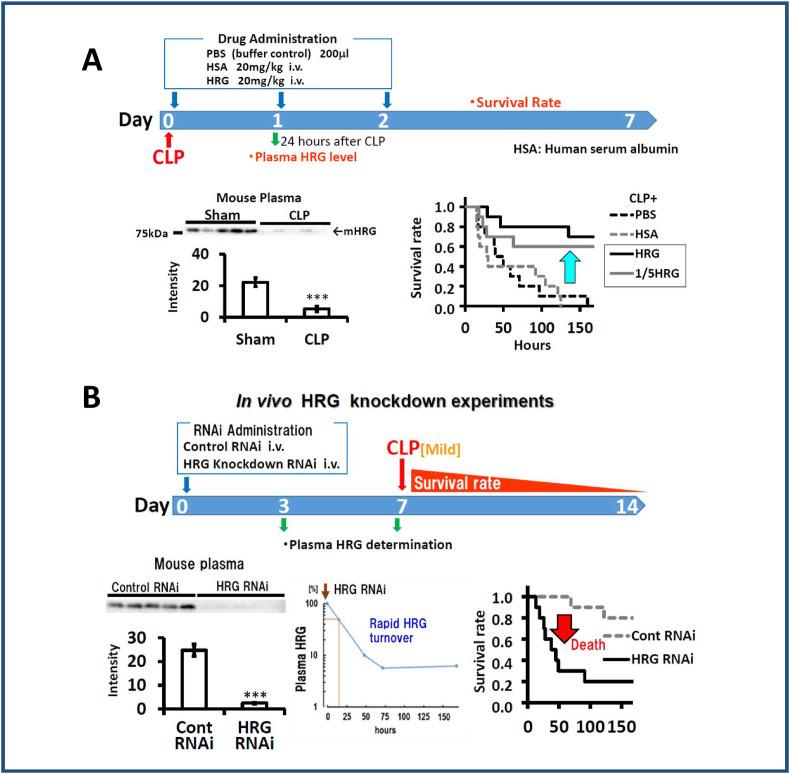
In 2016, sepsis was newly defined as life-threatening organ dysfunction caused by a dysregulated host response to infection. Sepsis remains one of the crucial medical problems to be solved worldwide. Although the world health organization has made sepsis a global health priority, there remain no specific and effective therapy for sepsis so far. Indeed, over the previous decades almost all attempts to develop novel drugs have failed. This may be partly ascribable to the multifactorial complexity of the septic cascade and the resultant difficulties of identifying drug targets. In addition, there might still be missing links among dysregulated host responses in vital organs. In this review article, recent advances in understanding of the complex pathophysiology of sepsis are summarized, with a focus on neutrophil extracellular traps (NETs), the significant role of NETs in thrombosis/embolism, and the functional roles of plasma proteins, histidine-rich glycoprotein (HRG) and inter-alpha-inhibitor proteins (IAIPs). The specific plasma proteins that are markedly decreased in the acute phase of sepsis may play important roles in the regulation of blood cells, vascular endothelial cells and coagulation. The accumulating evidence may provide us with insights into a novel aspect of the pathophysiology of sepsis and septic ARDS, including that in COVID-19.
2016 年,败血症被重新定义为感染引起的宿主反应失调导致的危及生命的器官功能障碍。败血症仍然是全球需要解决的关键医学问题之一。尽管世界卫生组织已将败血症作为全球卫生重点,但迄今为止仍没有针对败血症的具体有效治疗方法。事实上,在过去的几十年中,几乎所有开发新型药物的尝试都失败了。这可能部分归因于败血症级联反应的多因素复杂性以及确定药物靶点的困难。此外,在重要器官中失调的宿主反应之间可能仍然存在缺失的环节。在这篇综述文章中,总结了对败血症复杂病理生理学的最新认识,重点介绍了中性粒细胞胞外陷阱 (NETs)、NETs 在血栓形成/栓塞中的重要作用以及血浆蛋白、组氨酸丰富糖蛋白 (HRG) 和α-抑制蛋白 (IAIPs) 的功能作用。在败血症急性期明显减少的特定血浆蛋白可能在调节血细胞、血管内皮细胞和凝血中发挥重要作用。越来越多的证据可能为我们提供对败血症和败血性 ARDS(包括 COVID-19 中的 ARDS)的病理生理学的新认识。



 Zotero 插件