
用于癌症治疗及克服化疗耐药性的顺铂。
Cisplatin for cancer therapy and overcoming chemoresistance.
作者信息
Ranasinghe Ranmali, Mathai Michael L, Zulli Anthony
机构信息
Institute for Health and Sport, College of Health and Medicine, Victoria University, Melbourne, Australia.
出版信息
Heliyon. 2022 Sep 14;8(9):e10608. doi: 10.1016/j.heliyon.2022.e10608. eCollection 2022 Sep.
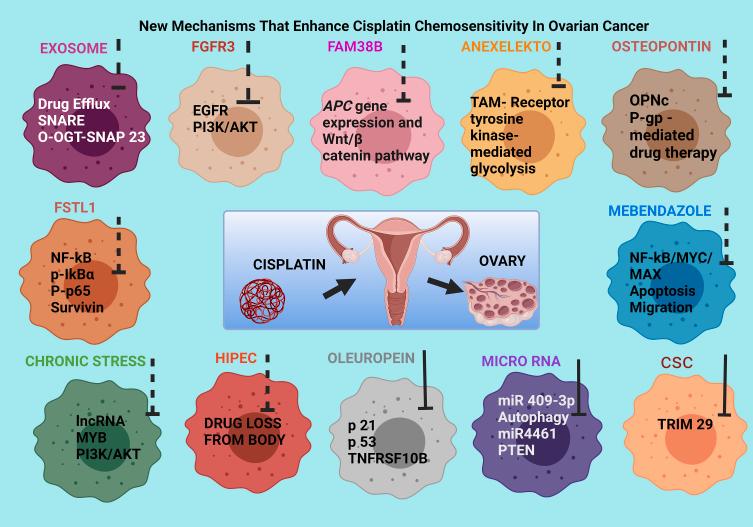
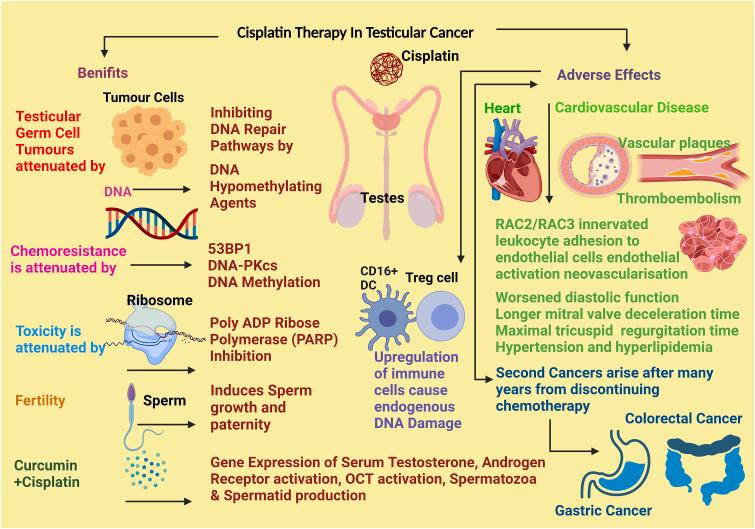
Cisplatin spearheads the anticancer chemotherapeutics in present-day use although acute toxicity is its primary impediment factor. Among a plethora of experimental medications, a drug as effective or surpassing the benefits of cisplatin has not been discovered yet. Although Oxaliplatin is considered more superior to cisplatin, the former has been better for colorectal cancer while cisplatin is widely used for treating gynaecological cancers. Carcinoma imposes a heavy toll on mortality rates worldwide despite the novel treatment strategies and detection methods that have been introduced; nanomedicine combined with precision medicine, immunotherapy, volume-regulated anion channels, and fluorodeoxyglucose-positron emission tomography. Millions of deaths occur annually from metastatic cancers which escape early detection and the concomitant diseases caused by highly toxic chemotherapy that causes organ damage. It continues due to insufficient knowledge of the debilitative mechanisms induced by cancer biology. To overcome chemoresistance and to attenuate the adverse effects of cisplatin therapy, both and models of cisplatin-treated cancers and a few multi-centred, multi-phasic, randomized clinical trials in pursuant with recent novel strategies have been tested. They include plant-based phytochemical compounds, drug delivery systems, biochemical/immune pathways, 2D and 3D cell culture models using small molecule inhibitors and genetic/epigenetic mechanisms, that have contributed to further the understanding of cisplatin's role in modulating the tumour microenvironment. Cisplatin was beneficial in cancer therapy for modulating the putative cellular mechanisms; apoptosis, autophagy, cell cycle arrest and gene therapy of micro RNAs. Specific importance of drug influx, efflux, systemic circulatory toxicity, half-maximal inhibition, and the augmentation of host immunometabolism have been identified. This review offers a discourse on the recent anti-neoplastic treatment strategies to enhance cisplatin efficacy and to overcome chemoresistance, given its superiority among other tolerable chemotherapies.
顺铂是目前使用的抗癌化疗药物的先锋,尽管急性毒性是其主要阻碍因素。在众多实验药物中,尚未发现一种与顺铂效果相当或更具优势的药物。尽管奥沙利铂被认为比顺铂更具优势,但前者对结直肠癌效果更好,而顺铂广泛用于治疗妇科癌症。尽管已经引入了新的治疗策略和检测方法,但癌症在全球死亡率中仍占据很大比例;纳米医学与精准医学、免疫疗法、容积调节性阴离子通道以及氟脱氧葡萄糖正电子发射断层扫描相结合。每年有数百万人死于转移性癌症,这些癌症早期难以检测,且高毒性化疗会引发器官损伤等伴随疾病。由于对癌症生物学引发的衰弱机制了解不足,这种情况仍在持续。为了克服顺铂治疗的耐药性并减轻其不良反应,已经测试了顺铂治疗癌症的体内和体外模型,以及一些遵循最新新策略的多中心、多阶段、随机临床试验。这些策略包括基于植物的植物化学化合物、药物递送系统、生化/免疫途径、使用小分子抑制剂的二维和三维细胞培养模型以及遗传/表观遗传机制,这些都有助于进一步了解顺铂在调节肿瘤微环境中的作用。顺铂在癌症治疗中对调节细胞凋亡、自噬、细胞周期停滞和微小RNA基因治疗等假定细胞机制有益。已经确定了药物流入、流出、全身循环毒性、半数抑制浓度以及宿主免疫代谢增强的具体重要性。鉴于顺铂在其他可耐受化疗药物中的优势,本综述讨论了近期提高顺铂疗效和克服耐药性的抗肿瘤治疗策略。



 Zotero 插件