
塞来昔布抑制环氧化酶 2 活性以外的途径抑制原代人肌母细胞增殖和分化。
Celecoxib impairs primary human myoblast proliferation and differentiation independent of cyclooxygenase 2 inhibition.
机构信息
Military Performance Division, US Army Research Institute of Environmental Medicine, Natick, Massachusetts, USA.
Military Operational Medicine Research Program, Ft. Detrick, Maryland, USA.
出版信息
Physiol Rep. 2022 Nov;10(21):e15481. doi: 10.14814/phy2.15481.
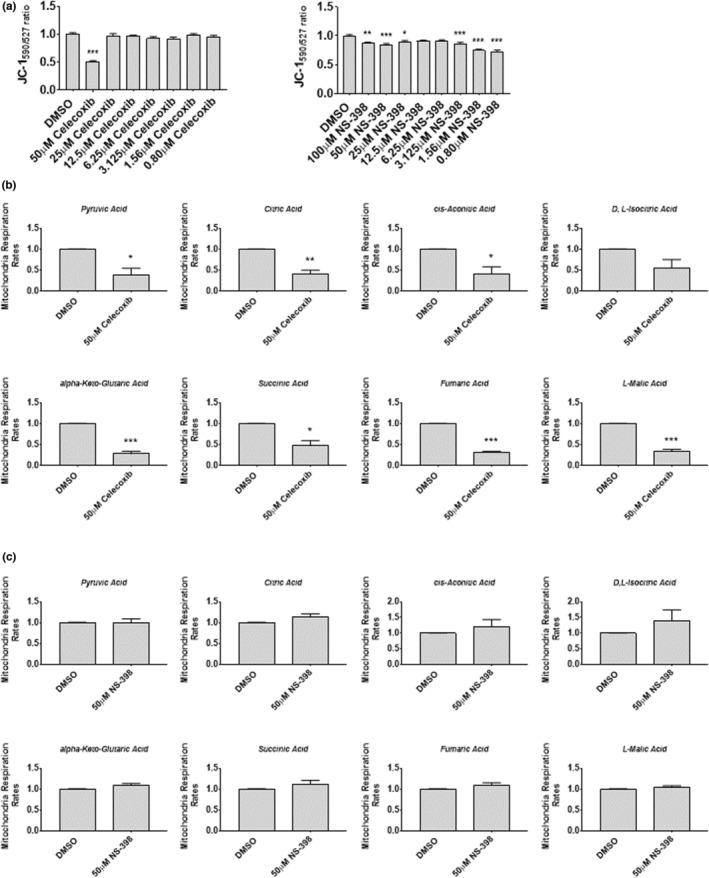
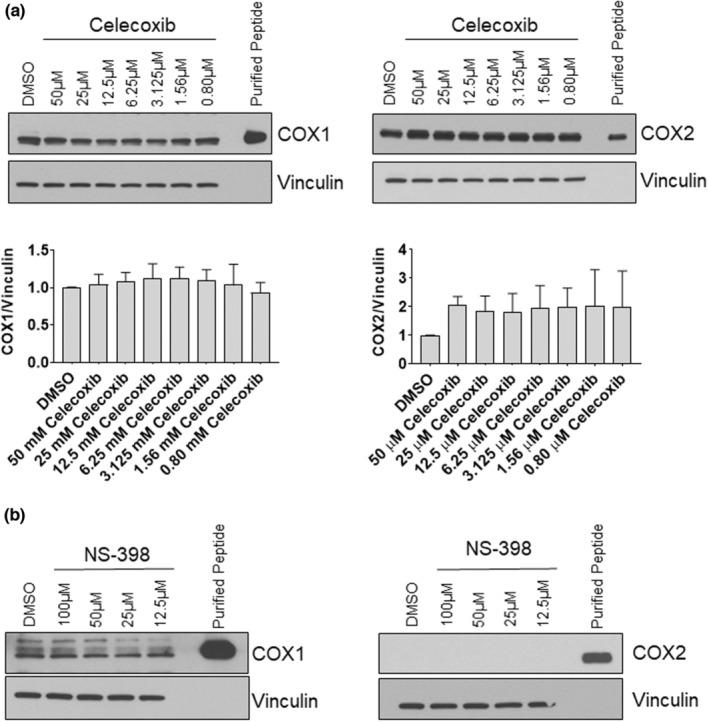
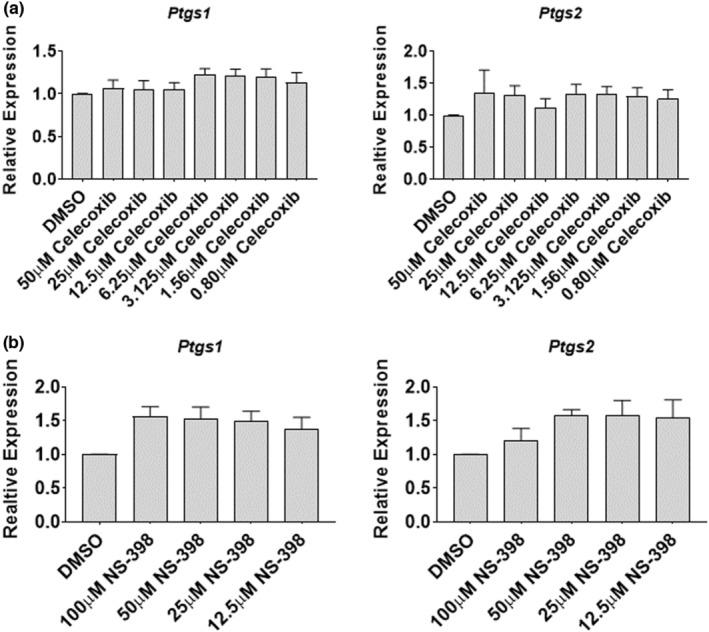
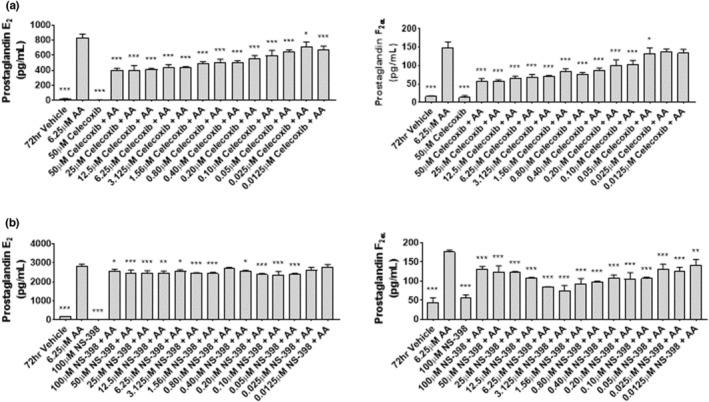
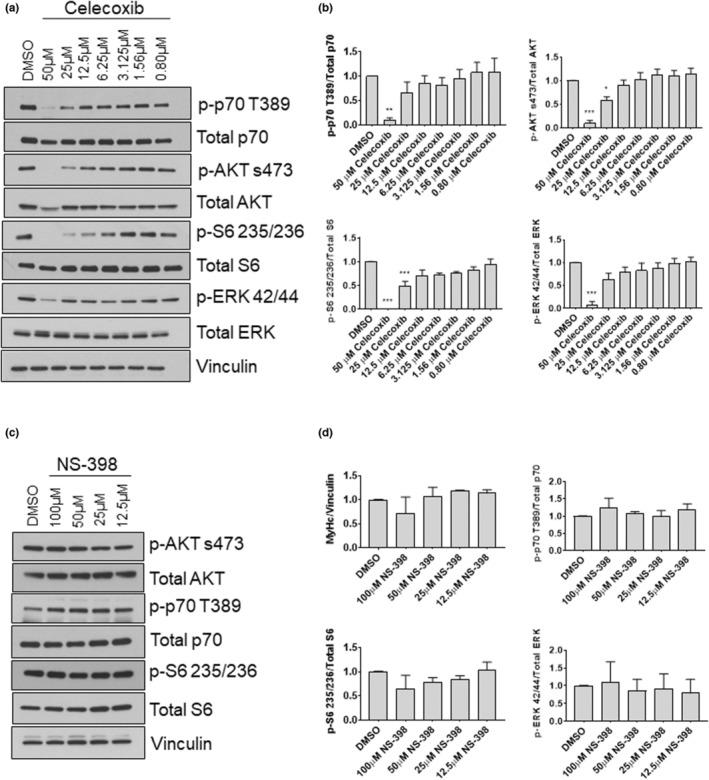
The use of non-steroidal anti-inflammatory drugs (NSAIDs) for treatment of musculoskeletal injuries is commonplace in the general, athletic, and military populations. While NSAIDs have been studied in a variety of tissues, the effects of NSAIDs on skeletal muscle have not been fully defined. To address this, we investigated the degree to which the cyclooxygenase (COX)-2-selective NSAID celecoxib affects muscle cell proliferation, differentiation, anabolic signaling, and mitochondrial function in primary human skeletal myoblasts and myotubes. Primary muscle cells were treated with celecoxib or NS-398 (a pharmacological inhibitor of COX-2) as a control. Celecoxib administration significantly reduced myoblast proliferation, viability, fusion, and myotube area in a dose-dependent manner, whereas NS-398 had no effect on any of these outcomes. Celecoxib treatment was also associated with reduced phosphorylation of ribosomal protein S6 in myoblasts, and reduced phosphorylation of AKT, p70S6K, S6, and ERK in myotubes. In contrast, NS-398 did not alter phosphorylation of these molecules in myoblasts or myotubes. In myoblasts, celecoxib significantly reduced mitochondrial membrane potential and respiration, as evidenced by the decreased citric acid cycle (CAC) intermediates cis-aconitic acid, alpha-keto-glutarate acid, succinate acid, and malic acid. Similar results were observed in myotubes, although celecoxib also reduced pyruvic acid, citric acid, and fumaric acid. NS-398 did not affect CAC intermediates in myoblasts or myotubes. Together, these data reveal that celecoxib inhibits proliferation, differentiation, intracellular signaling, and mitochondrial function in primary human myoblasts and myotubes independent of its function as a COX-2 inhibitor.
非甾体抗炎药(NSAIDs)在普通人群、运动员和军人中被广泛用于治疗肌肉骨骼损伤。虽然 NSAIDs 已经在多种组织中进行了研究,但 NSAIDs 对骨骼肌的影响尚未完全确定。为了解决这个问题,我们研究了环氧化酶(COX)-2 选择性 NSAID 塞来昔布在原代人骨骼肌成肌细胞和肌管中的细胞增殖、分化、合成代谢信号和线粒体功能中的作用程度。原代肌肉细胞用塞来昔布或 NS-398(COX-2 的药理学抑制剂)处理作为对照。塞来昔布给药显著降低了成肌细胞的增殖、活力、融合和肌管面积,呈剂量依赖性,而 NS-398 对这些结果均无影响。塞来昔布处理还与成肌细胞中核糖体蛋白 S6 的磷酸化减少以及肌管中 AKT、p70S6K、S6 和 ERK 的磷酸化减少相关。相比之下,NS-398 并未改变成肌细胞或肌管中这些分子的磷酸化。在成肌细胞中,塞来昔布显著降低了线粒体膜电位和呼吸,这表现在柠檬酸循环(CAC)中间产物顺乌头酸、α-酮戊二酸、琥珀酸和苹果酸的减少。在肌管中也观察到类似的结果,尽管塞来昔布也降低了丙酮酸、柠檬酸和富马酸。NS-398 并未影响成肌细胞或肌管中的 CAC 中间产物。总之,这些数据表明,塞来昔布独立于其作为 COX-2 抑制剂的功能,抑制原代人成肌细胞和肌管的增殖、分化、细胞内信号和线粒体功能。






 Zotero 插件