
严重急性呼吸综合征冠状病毒2在家畜和野生动物中的流行情况:基于基因组和对接的结构综合综述
SARS-CoV-2 prevalence in domestic and wildlife animals: A genomic and docking based structural comprehensive review.
作者信息
Das Tuhin, Sikdar Suranjana, Chowdhury Md Helal Uddin, Nyma Khandakar Jannatul, Adnan Md
机构信息
Department of Microbiology, University of Chittagong, Chattogram, 4331, Bangladesh.
Ethnobotany and Pharmacognosy Lab, Department of Botany, University of Chittagong, Chattogram, 4331, Bangladesh.
出版信息
Heliyon. 2023 Aug 21;9(9):e19345. doi: 10.1016/j.heliyon.2023.e19345. eCollection 2023 Sep.
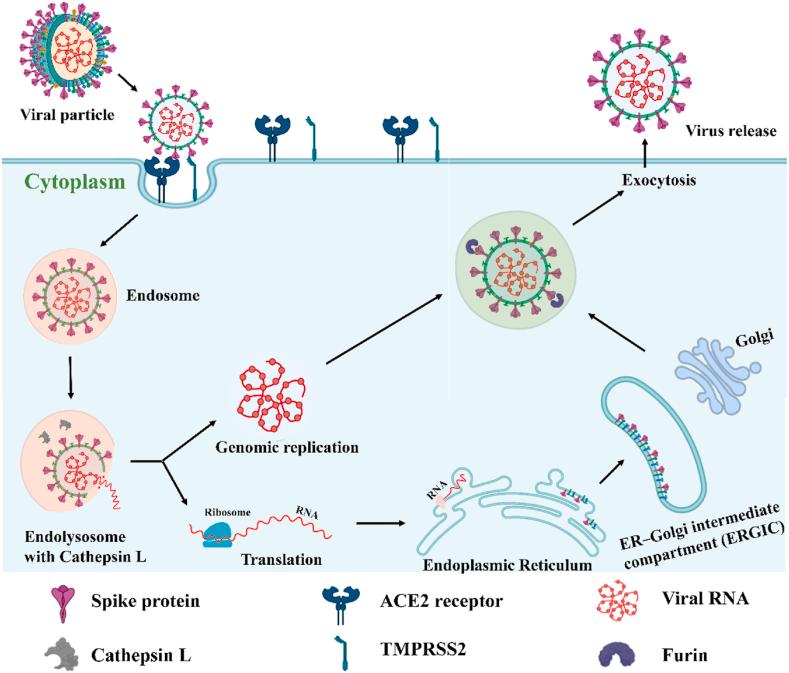
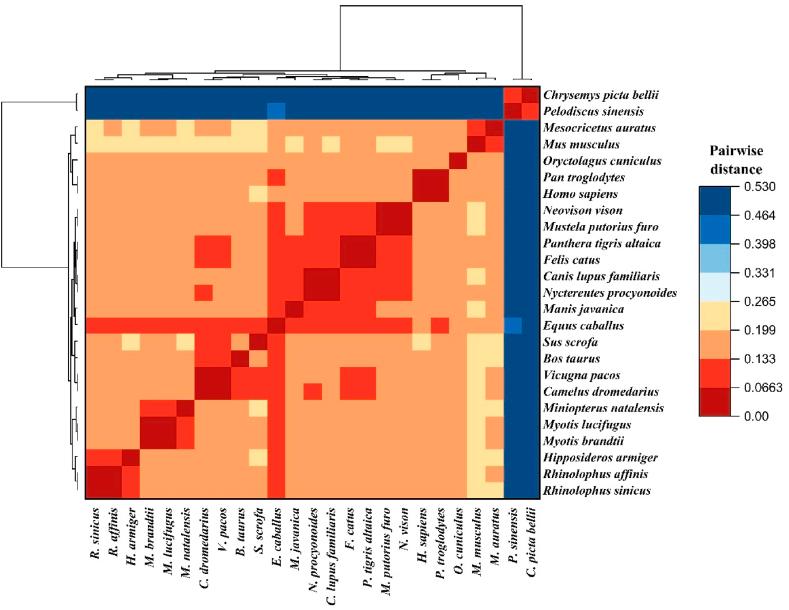
The SARS-CoV-2 virus has been identified as the infectious agent that led to the COVID-19 pandemic, which the world has seen very recently. Researchers have linked the SARS-CoV-2 outbreak to bats for the zoonotic spread of the virus to humans. Coronaviruses have a crown-like shape and positive-sense RNA nucleic acid. It attaches its spike glycoprotein to the host angiotensin-converting enzyme 2 (ACE2) receptor. Coronavirus genome comprises 14 ORFs and 27 proteins, spike glycoprotein being one of the most critical proteins for viral pathogenesis. Many mammals and reptiles, including bats, pangolins, ferrets, snakes, and turtles, serve as the principal reservoirs for this virus. But many experimental investigations have shown that certain domestic animals, including pigs, chickens, dogs, cats, and others, may also be able to harbor this virus, whether they exhibit any symptoms. These animals act as reservoirs for SARS-CoV, facilitating its zoonotic cross-species transmission to other species, including humans. In this review, we performed a phylogenetic analysis with multiple sequence alignment and pairwise evolutionary distance analysis, which revealed the similarity of ACE2 receptors in humans, chimpanzees, domestic rabbits, house mice, and golden hamsters. Pairwise RMSD analysis of the spike protein from some commonly reported SARS-CoV revealed that bat and pangolin coronavirus shared the highest structural similarity with human coronavirus. In a further experiment, molecular docking confirmed a higher affinity of pig, bat, and pangolin coronavirus spike proteins' affinity to the human ACE2 receptor. Such comprehensive structural and genomic analysis can help us to forecast the next likely animal source of these coronaviruses that may infect humans. To combat these zoonotic illnesses, we need a one health strategy that considers the well-being of people and animals and the local ecosystem.
严重急性呼吸综合征冠状病毒2(SARS-CoV-2)病毒已被确定为导致近期全球新冠疫情大流行的病原体。研究人员已将SARS-CoV-2的爆发与蝙蝠联系起来,认为病毒是通过人畜共患病传播给人类的。冠状病毒呈冠状,具有正链RNA核酸。它通过其刺突糖蛋白与宿主血管紧张素转换酶2(ACE2)受体结合。冠状病毒基因组包含14个开放阅读框(ORF)和27种蛋白质,刺突糖蛋白是病毒致病过程中最关键的蛋白质之一。许多哺乳动物和爬行动物,包括蝙蝠、穿山甲、雪貂、蛇和龟,是这种病毒的主要宿主。但许多实验研究表明,某些家畜,包括猪、鸡、狗、猫等,无论是否出现症状,也可能携带这种病毒。这些动物作为SARS-CoV的宿主,促进了病毒向包括人类在内的其他物种的人畜共患跨物种传播。在本综述中,我们进行了多序列比对的系统发育分析和成对进化距离分析,结果显示人类、黑猩猩、家兔、家鼠和金黄仓鼠的ACE2受体具有相似性。对一些常见报道的SARS-CoV刺突蛋白进行的成对均方根偏差(RMSD)分析表明,蝙蝠和穿山甲冠状病毒与人类冠状病毒的结构相似性最高。在进一步的实验中,分子对接证实猪、蝙蝠和穿山甲冠状病毒刺突蛋白对人类ACE2受体具有更高的亲和力。这种全面的结构和基因组分析有助于我们预测这些可能感染人类的冠状病毒的下一个潜在动物来源。为了对抗这些人畜共患疾病,我们需要一种“同一健康”策略,该策略要考虑到人类、动物和当地生态系统的福祉。






 Zotero 插件