
神经毒素介导的细菌生长抑制是由特定的金属离子耗竭引起的。
Gliotoxin-mediated bacterial growth inhibition is caused by specific metal ion depletion.
机构信息
Department of Biology, Maynooth University, Co. Kildare, Ireland.
Accuplex Diagnostics Ltd, Co. Kildare, Ireland.
出版信息
Sci Rep. 2023 Sep 27;13(1):16156. doi: 10.1038/s41598-023-43300-w.
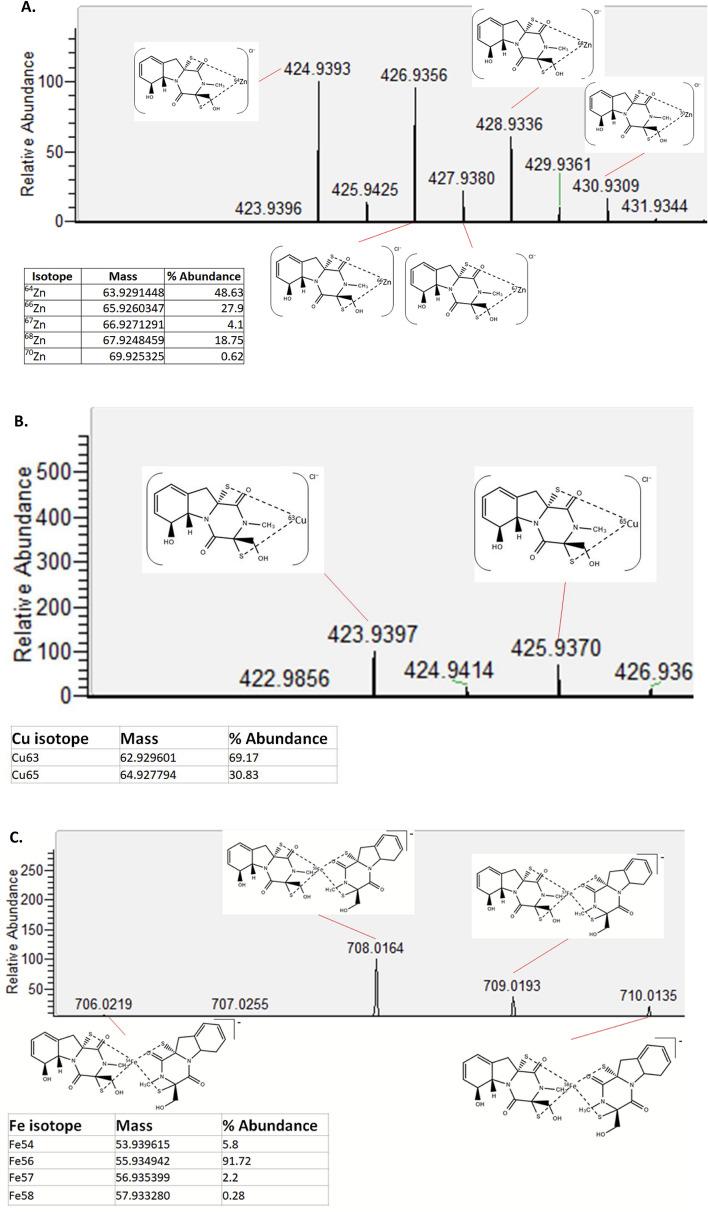
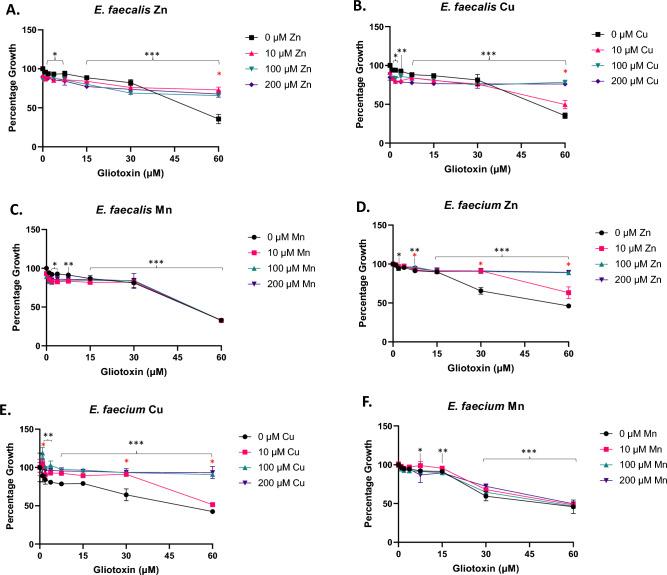
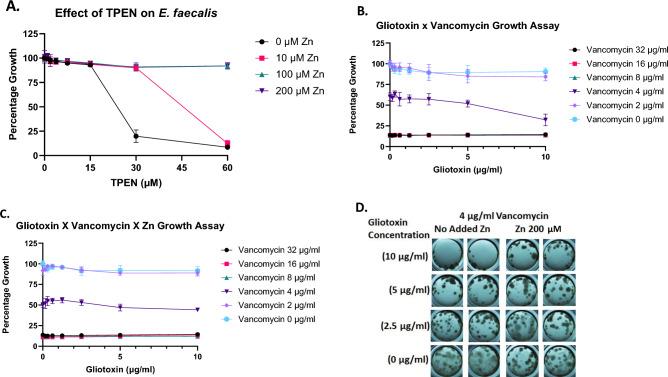
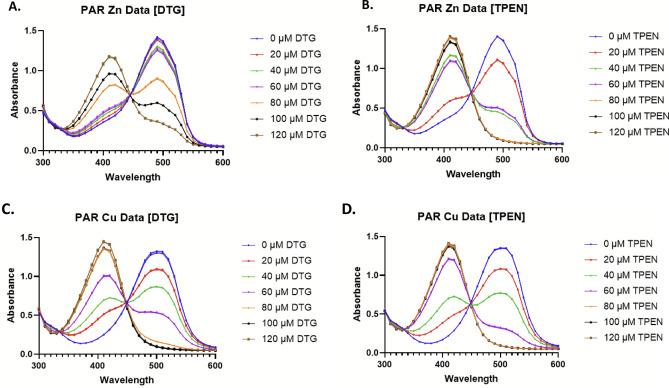
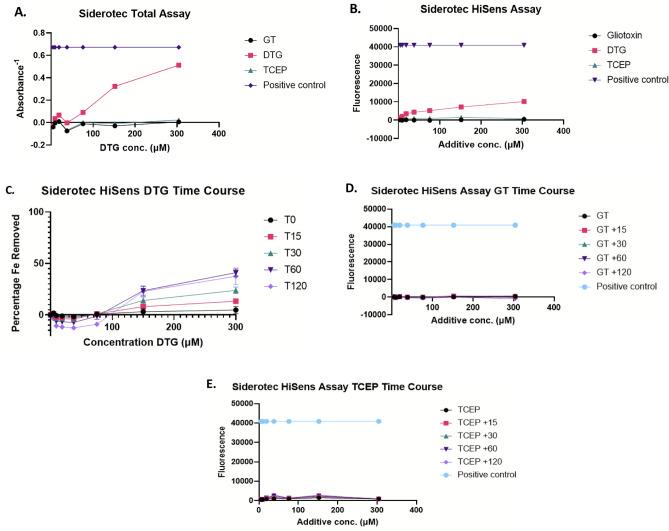
Overcoming antimicrobial resistance represents a formidable challenge and investigating bacterial growth inhibition by fungal metabolites may yield new strategies. Although the fungal non-ribosomal peptide gliotoxin (GT) is known to exhibit antibacterial activity, the mechanism(s) of action are unknown, although reduced gliotoxin (dithiol gliotoxin; DTG) is a zinc chelator. Furthermore, it has been demonstrated that GT synergises with vancomycin to inhibit growth of Staphylococcus aureus. Here we demonstrate, without precedent, that GT-mediated growth inhibition of both Gram positive and negative bacterial species is reversed by Zn or Cu addition. Both GT, and the known zinc chelator TPEN, mediate growth inhibition of Enterococcus faecalis which is reversed by zinc addition. Moreover, zinc also reverses the synergistic growth inhibition of E. faecalis observed in the presence of both GT and vancomycin (4 µg/ml). As well as zinc chelation, DTG also appears to chelate Cu, but not Mn using a 4-(2-pyridylazo)resorcinol assay system and Zn as a positive control. DTG also specifically reacts in Fe-containing Siderotec™ assays, most likely by Fe chelation from test reagents. GSH or DTT show no activity in these assays. Confirmatory high resolution mass spectrometry, in negative ion mode, confirmed, for the first time, the presence of both Cu[DTG] and Fe[DTG] chelates. Label free quantitative proteomic analysis further revealed major intracellular proteomic remodelling within E. faecalis in response to GT exposure for 30-180 min. Globally, 4.2-7.2% of detectable proteins exhibited evidence of either unique presence/increased abundance or unique absence/decreased abundance (n = 994-1160 total proteins detected), which is the first demonstration that GT affects the bacterial proteome in general, and E. faecalis, specifically. Unique detection of components of the AdcABC and AdcA-II zinc uptake systems was observed, along with apparent ribosomal reprofiling to zinc-free paralogs in the presence of GT. Overall, we hypothesise that GT-mediated bacterial growth inhibition appears to involve intracellular zinc depletion or reduced bioavailability, and based on in vitro chelate formation, may also involve dysregulation of Cu homeostasis.
克服抗菌药物耐药性是一项艰巨的挑战,研究真菌代谢产物对细菌生长的抑制作用可能会产生新的策略。虽然真菌非核糖体肽Gliotoxin (GT) 已知具有抗菌活性,但作用机制尚不清楚,尽管还原型Gliotoxin (二硫代Gliotoxin; DTG) 是一种锌螯合剂。此外,已经证明 GT 与万古霉素协同抑制金黄色葡萄球菌的生长。在这里,我们首次证明,GT 介导的革兰氏阳性和革兰氏阴性细菌生长抑制作用可被锌或铜的添加所逆转。GT 和已知的锌螯合剂 TPEN 都可介导粪肠球菌的生长抑制,而锌的添加则可逆转这种抑制作用。此外,锌还可逆转 GT 与万古霉素同时存在时观察到的粪肠球菌协同生长抑制作用(4μg/ml)。除了锌螯合作用外,DTG 似乎还能螯合铜,但不能螯合锰,这是使用 4-(2-吡啶偶氮)间苯二酚测定系统和锌作为阳性对照得出的结果。DTG 还在含铁的 Siderotec™ 测定中特异性反应,很可能是通过测试试剂中的铁螯合作用。GSH 或 DTT 在这些测定中均无活性。负离子模式的高分辨率质谱分析首次证实了 Cu[DTG]和 Fe[DTG]螯合物的存在。无标记定量蛋白质组学分析进一步揭示了粪肠球菌在暴露于 GT 30-180 分钟后主要的细胞内蛋白质组学重塑。总的来说,4.2-7.2%的可检测蛋白表现出独特的存在/丰度增加或独特的缺失/丰度降低(n=994-1160 个总检测蛋白),这是首次证明 GT 一般会影响细菌蛋白质组,特别是粪肠球菌。还观察到 AdcABC 和 AdcA-II 锌摄取系统的成分,以及在 GT 存在的情况下核糖体向锌非同源物的重新分布。总的来说,我们假设 GT 介导的细菌生长抑制作用似乎涉及细胞内锌耗竭或生物利用度降低,并且基于体外螯合物形成,还可能涉及铜稳态失调。

 Zotero 插件