
耐甲氧西林:耐药性产生的分子机制及对抗新策略
Methicillin Resistant : Molecular Mechanisms Underlying Drug Resistance Development and Novel Strategies to Combat.
作者信息
Abebe Assefa Asnakew, Birhanu Alemayehu Godana
机构信息
Department of Molecular Biology, Institute of Biotechnology, Addis Ababa University, Addis Ababa, Ethiopia.
Department of Medical laboratory Sciences, Institute of Health, Bule Hora University, Bule Hora, Ethiopia.
出版信息
Infect Drug Resist. 2023 Dec 14;16:7641-7662. doi: 10.2147/IDR.S428103. eCollection 2023.
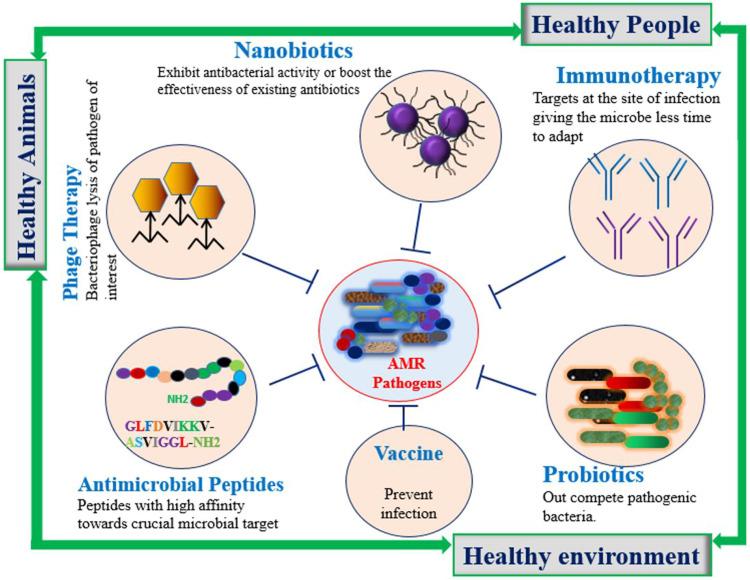
Antimicrobial resistance (AMR) represents a major threat to global health. Infection caused by Methicillin-resistant (MRSA) is one of the well-recognized global public health problem globally. In some regions, as many as 90% of infections are reported to be MRSA, which cannot be treated with standard antibiotics. WHO reports indicated that MRSA is circulating in every province worldwide, significantly increasing the risk of death by 64% compared to drug-sensitive forms of the infection which is attributed to its antibiotic resistance. The emergence and spread of antibiotic-resistant MRSA strains have contributed to its increased prevalence in both healthcare and community settings. The resistance of to methicillin is due to expression of penicillin-binding protein 2a (PBP2a), which renders it impervious to the action of β-lactam antibiotics including methicillin. The other is through the production of beta-lactamases. Although the treatment options for MRSA are limited, there are promising alternatives to antibiotics to combat the infections. Innovative therapeutic strategies with wide range of activity and modes of action are yet to be explored. The review highlights the global challenges posed by MRSA, elucidates the mechanisms underlying its resistance development, and explores mitigation strategies. Furthermore, it focuses on alternative therapies such as bacteriophages, immunotherapy, nanobiotics, and antimicrobial peptides, emphasizing their synergistic effects and efficacy against MRSA. By examining these alternative approaches, this review provides insights into the potential strategies for tackling MRSA infections and combatting the escalating threat of AMR. Ultimately, a multifaceted approach encompassing both conventional and novel interventions is imperative to mitigate the impact of MRSA and ensure a sustainable future for global healthcare.
抗菌药物耐药性(AMR)对全球健康构成重大威胁。耐甲氧西林金黄色葡萄球菌(MRSA)引起的感染是全球公认的重大公共卫生问题之一。在一些地区,据报道高达90%的感染是由MRSA引起的,而这些感染无法用标准抗生素治疗。世界卫生组织的报告表明,MRSA在全球每个省份都有传播,与药物敏感型感染相比,其导致的死亡风险显著增加了64%,这归因于其抗生素耐药性。抗生素耐药性MRSA菌株的出现和传播导致了其在医疗保健和社区环境中的患病率上升。对甲氧西林的耐药性是由于青霉素结合蛋白2a(PBP2a)的表达,这使得它对包括甲氧西林在内的β-内酰胺类抗生素的作用具有抗性。另一种方式是通过产生β-内酰胺酶。虽然MRSA的治疗选择有限,但有一些有前景的抗生素替代物可用于对抗感染。具有广泛活性和作用方式的创新治疗策略仍有待探索。本综述强调了MRSA带来的全球挑战,阐明了其耐药性发展的潜在机制,并探索了缓解策略。此外,它还关注噬菌体、免疫疗法、纳米抗生素和抗菌肽等替代疗法,强调它们对MRSA的协同作用和疗效。通过研究这些替代方法,本综述深入探讨了应对MRSA感染和对抗AMR不断升级威胁的潜在策略。最终,采取包括传统和新型干预措施的多方面方法对于减轻MRSA的影响并确保全球医疗保健的可持续未来至关重要。
 Zotero 插件