
泛癌分析揭示了CD19作为肿瘤免疫标志物的预后和免疫治疗意义。
The Pan-Cancer Analysis Uncovers the Prognostic and Immunotherapeutic Significance of CD19 as an Immune Marker in Tumor.
作者信息
Wei Lanyi, Meng Jingjing, Xiang Danfeng, Yang Quanjun, Zhou Yangyun, Xu Lingyan, Chen Junjun, Han Yonglong
机构信息
Department of Pharmacy, Shanghai Sixth People's Hospital Affiliated to Shanghai Jiao Tong University School of Medicine, Shanghai, 200030, People's Republic of China.
出版信息
Int J Gen Med. 2024 Jun 4;17:2593-2612. doi: 10.2147/IJGM.S459914. eCollection 2024.
BACKGROUND
The specific cytotoxic effects of anti-CD19 chimeric antigen receptor (CAR) T-cell therapy have led to impressive outcomes in individuals previously treated for B-cell malignancies. However, the specific biological role of CD19(+) target cells, which exert antitumor immunity against some solid tumors, remains to be elucidated.
METHODS
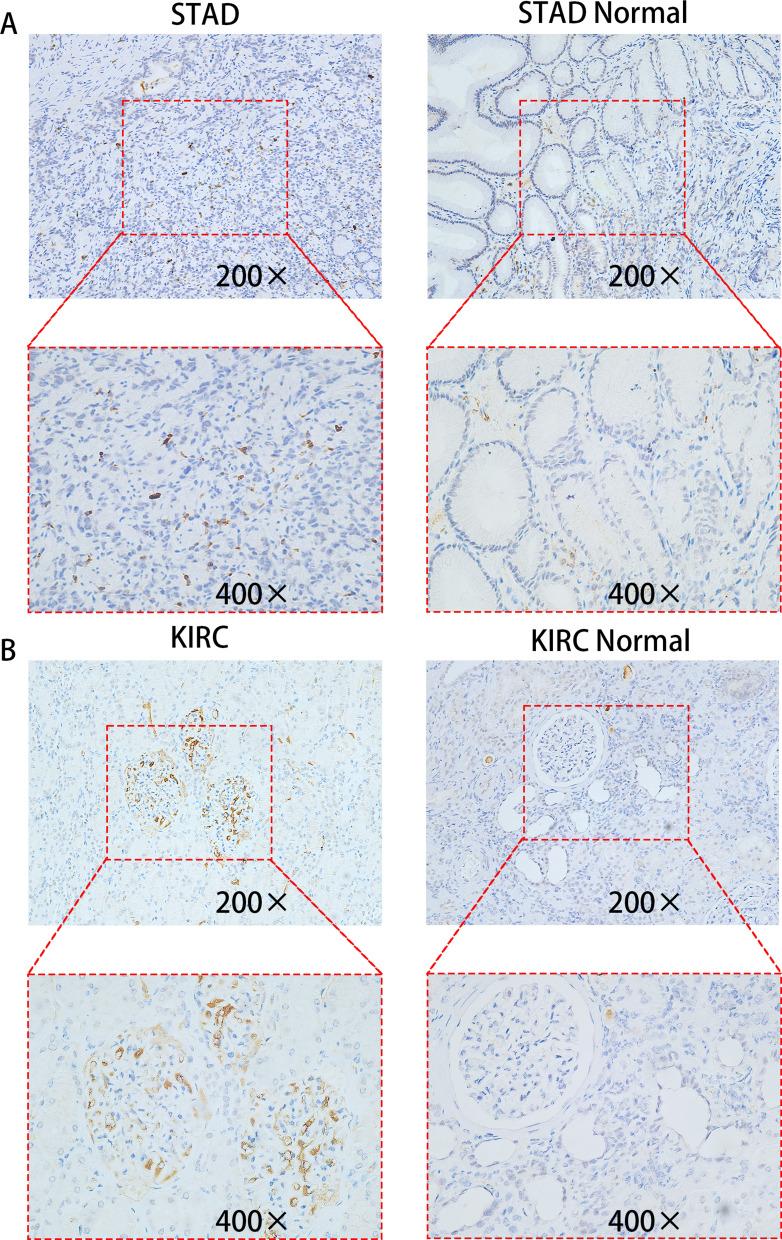
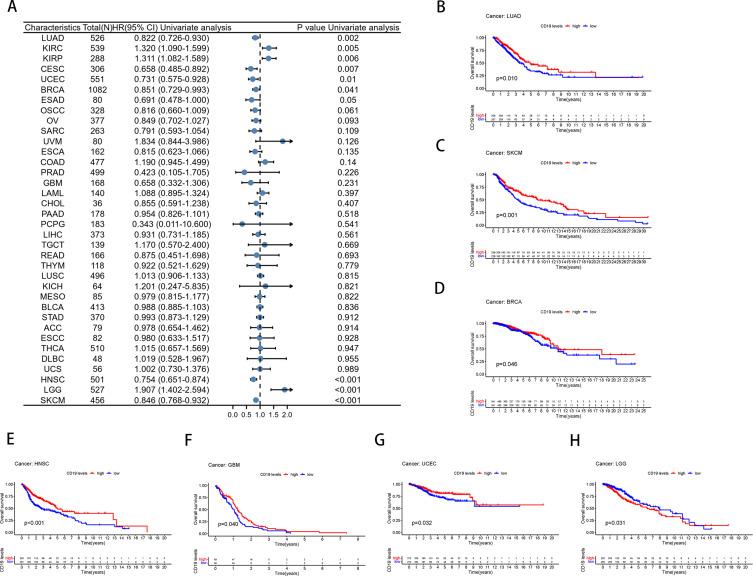
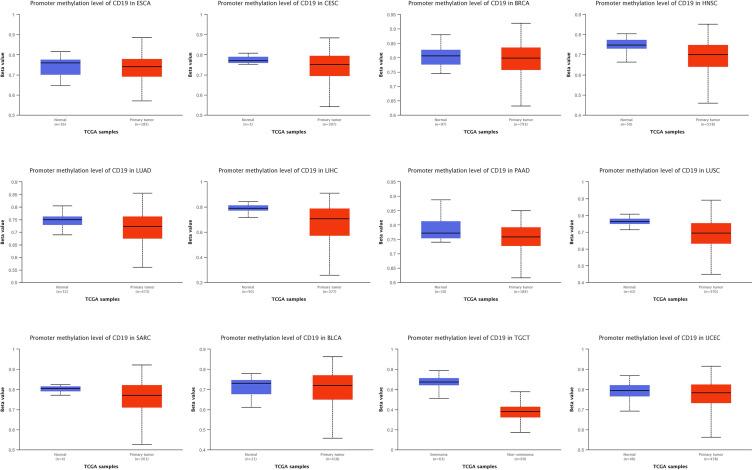
We collected information regarding the level of CD19 mRNA and protein expression from various databases including The Cancer Genome Atlas (TCGA), Tumor Immune Estimation Resource (TIMER), Genotype-Tissue Expression (GTEx), and Human Protein Atlas (HPA) for both tumor and normal samples. To evaluate the patient's prognosis according to CD19 expression, a Kaplan-Meier (KM) analysis and univariate Cox regression were performed. Furthermore, using the Estimation of Stromal and Immune Cells in Malignant Tumor Tissues Using the Expression Data (ESTIMATE) algorithm, we estimated the ratio of immune cells infiltrating malignant tumor tissues. Afterward, the GSCALite repository was employed to evaluate the vulnerability of tumors expressing CD19 to drugs used in chemotherapy. To validate the results in clinical samples of certain cancer types, immunohistochemistry was then performed.
RESULTS
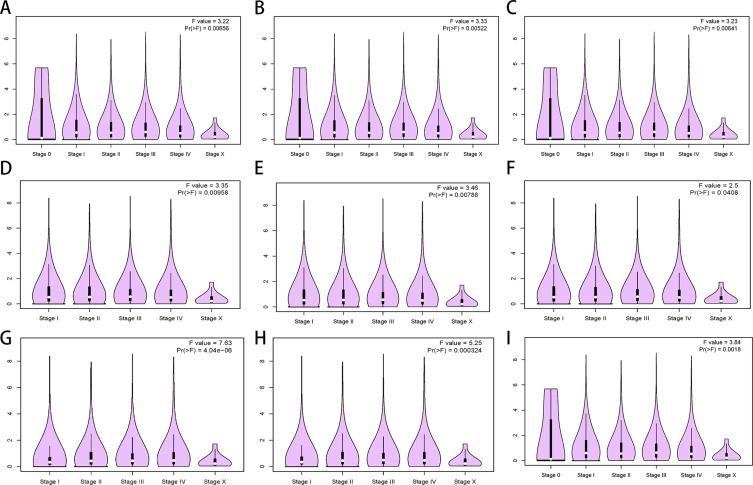
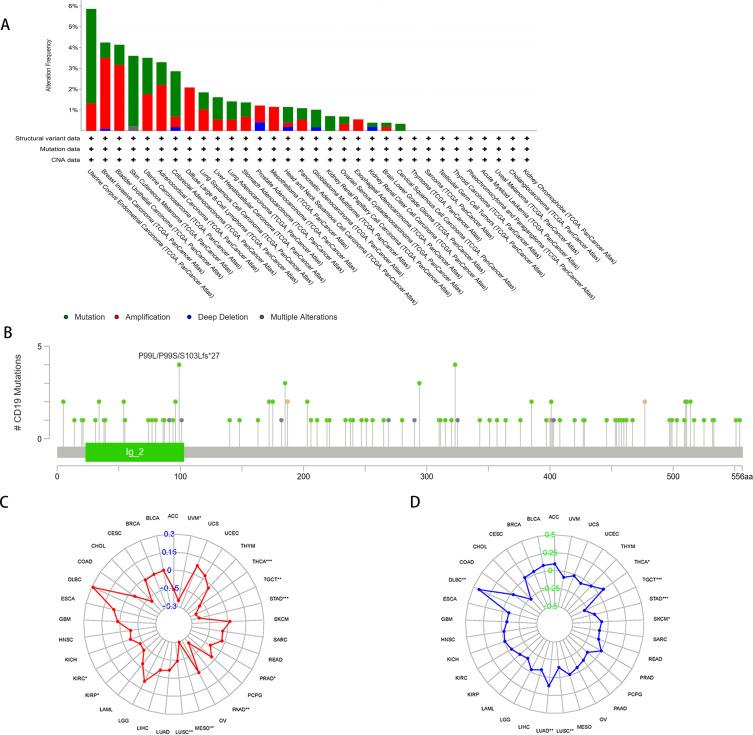
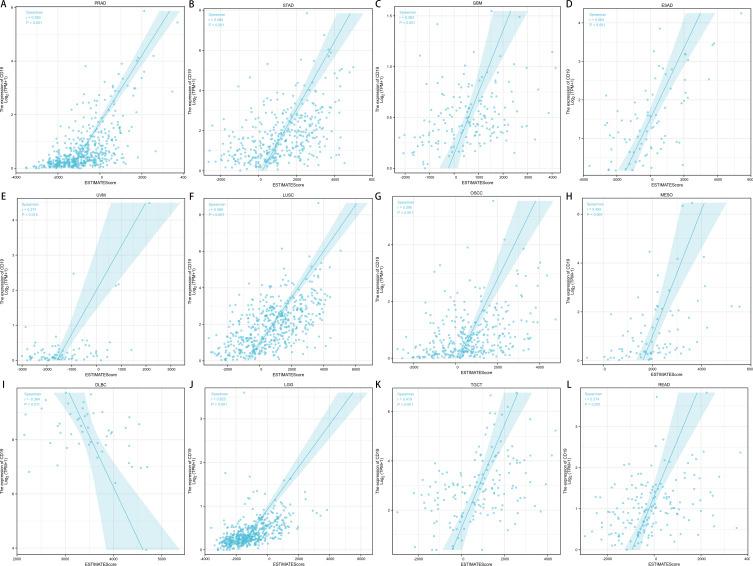
Most tumor types exhibited CD19 expression differently, apart from colon adenocarcinoma (COAD). The early diagnostic value of CD19 has been demonstrated in 9 different tumor types, and the overexpression of CD19 has the potential to extend the survival duration of patients. Multiple tumors showed a positive correlation between CD19 expression and tumor mutation burden (TMB), microsatellite instability (MSI), and ESTIMATE score. Furthermore, a direct association was discovered between the expression of CD19 and the infiltration of immune cells, particularly in cases of breast invasive carcinoma (BRCA). Moreover, CD19 is highly sensitive to a variety of chemotherapy drugs.
CONCLUSION
The study reveals the potential of CD19 as both a predictive biomarker and a target for different cancer immunotherapies.
背景
抗CD19嵌合抗原受体(CAR)T细胞疗法的特异性细胞毒性作用在先前接受过B细胞恶性肿瘤治疗的个体中产生了令人瞩目的疗效。然而,对某些实体瘤具有抗肿瘤免疫作用的CD19(+)靶细胞的具体生物学作用仍有待阐明。
方法
我们从包括癌症基因组图谱(TCGA)、肿瘤免疫评估资源(TIMER)、基因型-组织表达(GTEx)和人类蛋白质图谱(HPA)在内的多个数据库收集了肿瘤和正常样本中CD19 mRNA和蛋白表达水平的信息。为了根据CD19表达评估患者的预后,进行了Kaplan-Meier(KM)分析和单变量Cox回归。此外,使用基于表达数据的恶性肿瘤组织中基质和免疫细胞估计(ESTIMATE)算法,我们估计了浸润恶性肿瘤组织的免疫细胞比例。随后,利用GSCALite数据库评估表达CD19的肿瘤对化疗药物的敏感性。为了在某些癌症类型的临床样本中验证结果,接着进行了免疫组织化学分析。
结果
除结肠腺癌(COAD)外,大多数肿瘤类型的CD19表达存在差异。CD19在9种不同肿瘤类型中已显示出早期诊断价值,且CD19的过表达有可能延长患者的生存时间。多种肿瘤显示CD19表达与肿瘤突变负担(TMB)、微卫星不稳定性(MSI)和ESTIMATE评分之间呈正相关。此外,发现CD19表达与免疫细胞浸润之间存在直接关联,尤其是在乳腺浸润性癌(BRCA)病例中。而且,CD19对多种化疗药物高度敏感。
结论
该研究揭示了CD19作为不同癌症免疫疗法的预测生物标志物和靶点的潜力。






 Zotero 插件