
含三联基序蛋白2,一种与谷氨酰胺代谢相关的蛋白,可预测接受化疗的三阴性乳腺癌患者的不良预后。
Tripartite Motif-Containing 2, a Glutamine Metabolism-Associated Protein, Predicts Poor Patient Outcome in Triple-Negative Breast Cancer Treated with Chemotherapy.
作者信息
Masisi Brendah K, El Ansari Rokaya, Alfarsi Lutfi, Fakroun Ali, Erkan Busra, Ibrahim Asmaa, Toss Michael, Ellis Ian O, Rakha Emad A, Green Andrew R
机构信息
Nottingham Breast Cancer Research Centre, Academic Unit for Translational Medical Sciences, School of Medicine, University of Nottingham Biodiscovery Institute, University Park, Nottingham NG7 2RD, UK.
Cellular Pathology, Nottingham University Hospitals NHS Trust, Nottingham City Hospital, Hucknall Road, Nottingham NG5 1PB, UK.
出版信息
Cancers (Basel). 2024 May 21;16(11):1949. doi: 10.3390/cancers16111949.
BACKGROUND
Breast cancer (BC) remains heterogeneous in terms of prognosis and response to treatment. Metabolic reprogramming is a critical part of oncogenesis and a potential therapeutic target. Glutaminase (GLS), which generates glutamate from glutamine, plays a role in triple-negative breast cancer (TNBC). However, targeting GLS directly may be difficult, as it is essential for normal cell function. This study aimed to determine potential targets in BC associated with glutamine metabolism and evaluate their prognostic value in BC.
METHODS
The iNET model was used to identify genes in BC that are associated with using RNA-sequencing data. The prognostic significance of tripartite motif-containing 2 () mRNA was assessed in BC transcriptomic data ( = 16,575), and TRIM2 protein expression was evaluated using immunohistochemistry ( = 749) in patients with early-stage invasive breast cancer with long-term follow-up. The associations between TRIM2 expression and clinicopathological features and patient outcomes were evaluated.
RESULTS
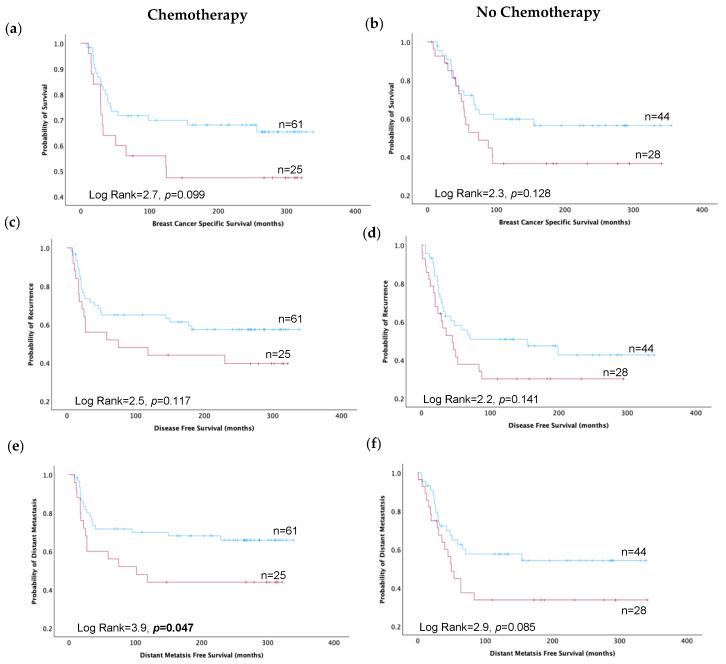
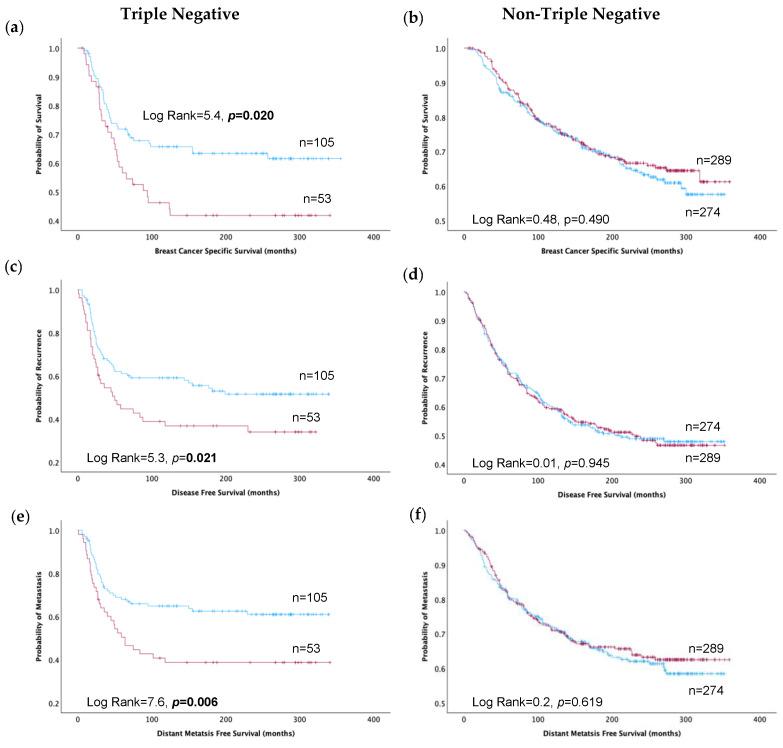
Pathway analysis identified expression as an important gene co-expressed with high expression in BC. High mRNA and TRIM2 protein expression were associated with TNBC ( < 0.01). TRIM2 was a predictor of poor distant metastasis-free survival (DMFS) in TNBC ( < 0.01), and this was independent of established prognostic factors ( < 0.05), particularly in those who received chemotherapy ( < 0.05). In addition, TRIM2 was a predictor of shorter DMFS in TNBC treated with chemotherapy ( < 0.01).
CONCLUSIONS
This study provides evidence of an association between TRIM2 and poor patient outcomes in TNBC, especially those treated with chemotherapy. The molecular mechanisms and functional behaviour of TRIM2 and the functional link with GLS in BC warrant further exploration using in vitro models.
背景
乳腺癌(BC)在预后和对治疗的反应方面仍然存在异质性。代谢重编程是肿瘤发生的关键部分,也是一个潜在的治疗靶点。谷氨酰胺酶(GLS)可将谷氨酰胺转化为谷氨酸,在三阴性乳腺癌(TNBC)中发挥作用。然而,直接靶向GLS可能很困难,因为它对正常细胞功能至关重要。本研究旨在确定BC中与谷氨酰胺代谢相关的潜在靶点,并评估它们在BC中的预后价值。
方法
使用iNET模型,通过RNA测序数据识别BC中与谷氨酰胺代谢相关的基因。在BC转录组数据(n = 16,575)中评估含三联体基序的2(TRIM2)mRNA的预后意义,并在长期随访的早期浸润性乳腺癌患者中使用免疫组织化学(n = 749)评估TRIM2蛋白表达。评估TRIM2表达与临床病理特征及患者预后之间的关联。
结果
通路分析确定TRIM2表达是BC中与高谷氨酰胺酶表达共表达的重要基因。高TRIM2 mRNA和TRIM2蛋白表达与TNBC相关(P < 0.01)。TRIM2是TNBC远处无转移生存期(DMFS)差的预测指标(P < 0.01),且独立于已确定的预后因素(P < 0.05),尤其是在接受化疗的患者中(P < 0.05)。此外,TRIM2是接受化疗的TNBC患者DMFS较短的预测指标(P < 0.01)。
结论
本研究提供了证据,表明TRIM2与TNBC患者不良预后相关,尤其是接受化疗的患者。TRIM2在BC中的分子机制和功能行为以及与GLS的功能联系,值得使用体外模型进一步探索。

 Zotero 插件