
急性髓系白血病中的免疫编辑:重新评估白血病发生中的T细胞耗竭及异常抗原加工机制。
Immunoediting in acute myeloid leukemia: Reappraising T cell exhaustion and the aberrant antigen processing machinery in leukemogenesis.
作者信息
Wang Ching-Yun, Lin Shiuan-Chen, Chang Kao-Jung, Cheong Han-Ping, Wu Sin-Rong, Lee Cheng-Hao, Chuang Ming-Wei, Chiou Shih-Hwa, Hsu Chih-Hung, Ko Po-Shen
机构信息
Department of Medical Education, Taichung Veterans General Hospital, Taichung, Taiwan.
School of Medicine, National Yang-Ming Chiao Tung University, Taipei, Taiwan.
出版信息
Heliyon. 2024 Oct 25;10(21):e39731. doi: 10.1016/j.heliyon.2024.e39731. eCollection 2024 Nov 15.
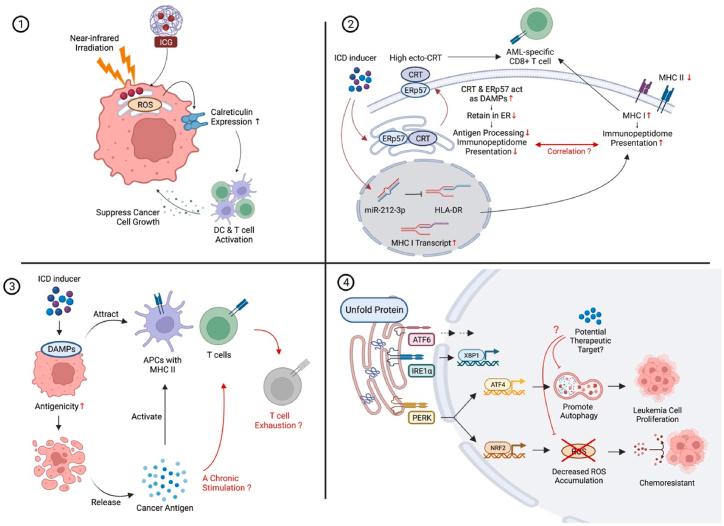
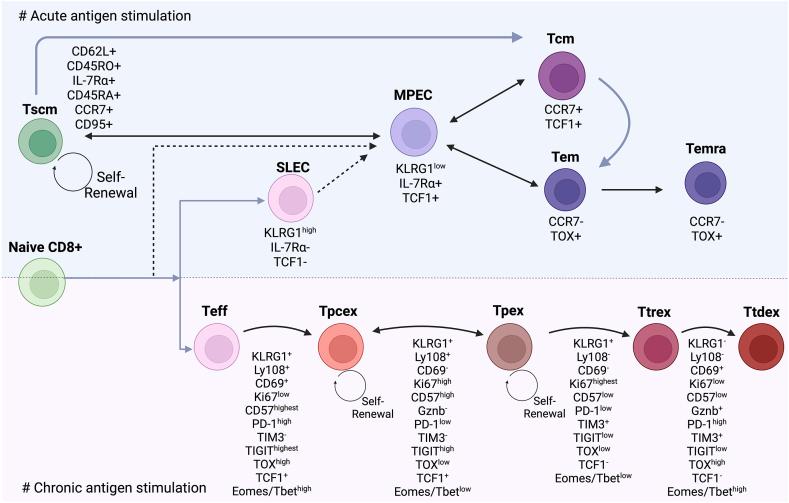
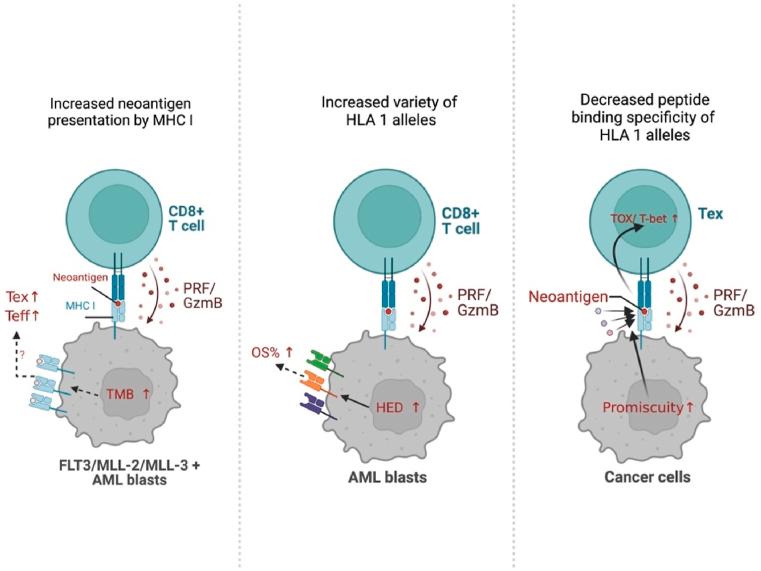
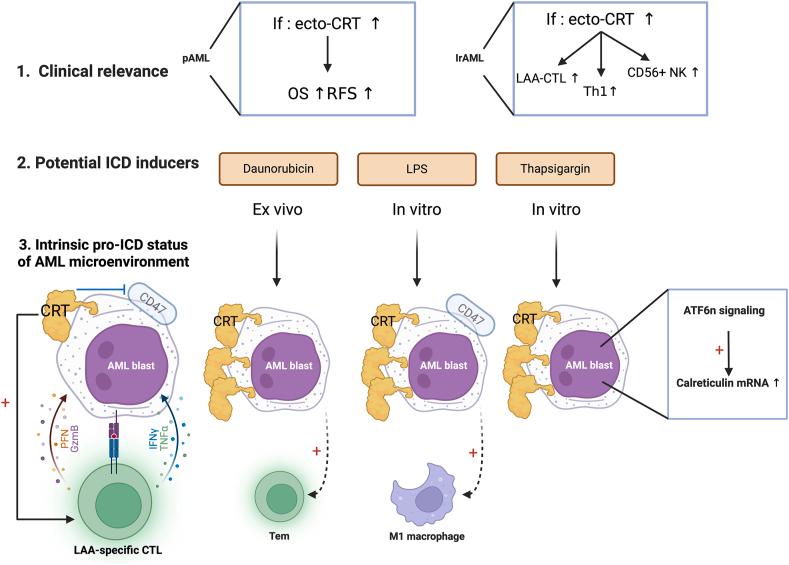
Acute myeloid leukemia (AML) establishes an immunosuppressive microenvironment that favors leukemic proliferation. The immune-suppressive cytokines altered antigen processing, and presentation collectively assist AML cells in escaping cytotoxic T-cell surveillance. These CD8 T cell dysfunction features are emerging therapeutic targets in relapsed/refractory AML patients. Besides, CD8 T cell exhaustion is a hotspot in recent clinical oncology studies, but its pathophysiology has yet to be elucidated in AML. In this review, we summarize high-quality original studies encompassing the phenotypic and genomic characteristics of T cell exhaustion events in the leukemia progression, emphasize the surface immuno-peptidome that dynamically tunes the fate of T cells to function or dysfunction states, and revisit the biochemical and biophysical properties of type 1 MHC antigen processing mechanism (APM) that pivots in the phenomenon of leukemia antigen dampening.
急性髓系白血病(AML)建立了一个有利于白血病细胞增殖的免疫抑制微环境。免疫抑制细胞因子改变了抗原加工和呈递,共同帮助AML细胞逃避细胞毒性T细胞的监视。这些CD8 T细胞功能障碍特征正在成为复发/难治性AML患者的治疗靶点。此外,CD8 T细胞耗竭是近期临床肿瘤学研究的一个热点,但在AML中其病理生理学尚未阐明。在这篇综述中,我们总结了高质量的原始研究,这些研究涵盖了白血病进展过程中T细胞耗竭事件的表型和基因组特征,强调了动态调节T细胞向功能或功能障碍状态转变命运的表面免疫肽组,并重新审视了在白血病抗原减弱现象中起关键作用的1型MHC抗原加工机制(APM)的生化和生物物理特性。



 Zotero 插件