
变革个性化医疗:与多组学数据生成的协同作用、主要障碍及未来展望
Revolutionizing Personalized Medicine: Synergy with Multi-Omics Data Generation, Main Hurdles, and Future Perspectives.
作者信息
Molla Getnet, Bitew Molalegne
机构信息
College of Veterinary Medicine, Jigjiga University, Jigjiga P.O. Box 1020, Ethiopia.
Bio and Emerging Technology Institute (BETin), Addis Ababa P.O. Box 5954, Ethiopia.
出版信息
Biomedicines. 2024 Nov 30;12(12):2750. doi: 10.3390/biomedicines12122750.
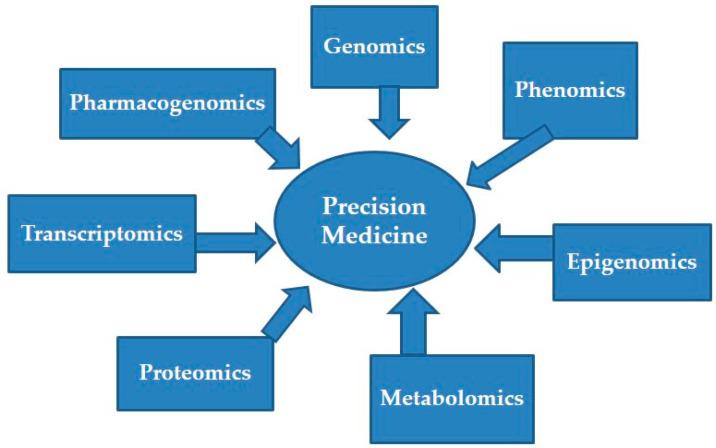
The field of personalized medicine is undergoing a transformative shift through the integration of multi-omics data, which mainly encompasses genomics, transcriptomics, proteomics, and metabolomics. This synergy allows for a comprehensive understanding of individual health by analyzing genetic, molecular, and biochemical profiles. The generation and integration of multi-omics data enable more precise and tailored therapeutic strategies, improving the efficacy of treatments and reducing adverse effects. However, several challenges hinder the full realization of personalized medicine. Key hurdles include the complexity of data integration across different omics layers, the need for advanced computational tools, and the high cost of comprehensive data generation. Additionally, issues related to data privacy, standardization, and the need for robust validation in diverse populations remain significant obstacles. Looking ahead, the future of personalized medicine promises advancements in technology and methodologies that will address these challenges. Emerging innovations in data analytics, machine learning, and high-throughput sequencing are expected to enhance the integration of multi-omics data, making personalized medicine more accessible and effective. Collaborative efforts among researchers, clinicians, and industry stakeholders are crucial to overcoming these hurdles and fully harnessing the potential of multi-omics for individualized healthcare.
个性化医疗领域正通过整合多组学数据经历变革性转变,多组学数据主要包括基因组学、转录组学、蛋白质组学和代谢组学。这种协同作用通过分析遗传、分子和生化特征,实现对个体健康的全面了解。多组学数据的生成与整合能够制定更精确、更具针对性的治疗策略,提高治疗效果并减少不良反应。然而,若干挑战阻碍了个性化医疗的全面实现。主要障碍包括不同组学层面数据整合的复杂性、对先进计算工具的需求以及全面数据生成的高成本。此外,与数据隐私、标准化以及在不同人群中进行有力验证的需求相关的问题仍然是重大障碍。展望未来,个性化医疗的前景有望在技术和方法上取得进步,以应对这些挑战。预计数据分析、机器学习和高通量测序方面的新兴创新将加强多组学数据的整合,使个性化医疗更易实现且更有效。研究人员、临床医生和行业利益相关者之间的合作努力对于克服这些障碍并充分利用多组学在个性化医疗中的潜力至关重要。

 Zotero 插件