
单细胞和整体RNA测序分析揭示CENPA是癌症中的一种潜在生物标志物和治疗靶点。
Single-cell and bulk RNA sequencing analysis reveals CENPA as a potential biomarker and therapeutic target in cancers.
作者信息
Liu Hengrui, Karsidag Miray, Chhatwal Kunwer, Wang Panpan, Tang Tao
机构信息
Cancer Research Institute, Jinan University, Guangzhou, Guangdong, China.
Yinuo Biomedical Co., Ltd, Tianjin, China.
出版信息
PLoS One. 2025 Jan 16;20(1):e0314745. doi: 10.1371/journal.pone.0314745. eCollection 2025.
BACKGROUND
Cancer remains one of the most significant public health challenges worldwide. A widely recognized hallmark of cancer is the ability to sustain proliferative signaling, which is closely tied to various cell cycle processes. Centromere Protein A (CENPA), a variant of the standard histone H3, is crucial for selective chromosome segregation during the cell cycle. Despite its importance, a comprehensive pan-cancer bioinformatic analysis of CENPA has not yet been conducted.
METHODS
Data on genomes, transcriptomes, and clinical information were retrieved from publicly accessible databases. We analyzed CENPA's genetic alterations, mRNA expression, functional enrichment, association with stemness, mutations, expression across cell populations and cellular locations, link to the cell cycle, impact on survival, and its relationship with the immune microenvironment. Additionally, a prognostic model for glioma patients was developed to demonstrate CENPA's potential as a biomarker. Furthermore, drugs targeting CENPA in cancer cells were identified and predicted using drug sensitivity correlations and protein-ligand docking.
RESULTS
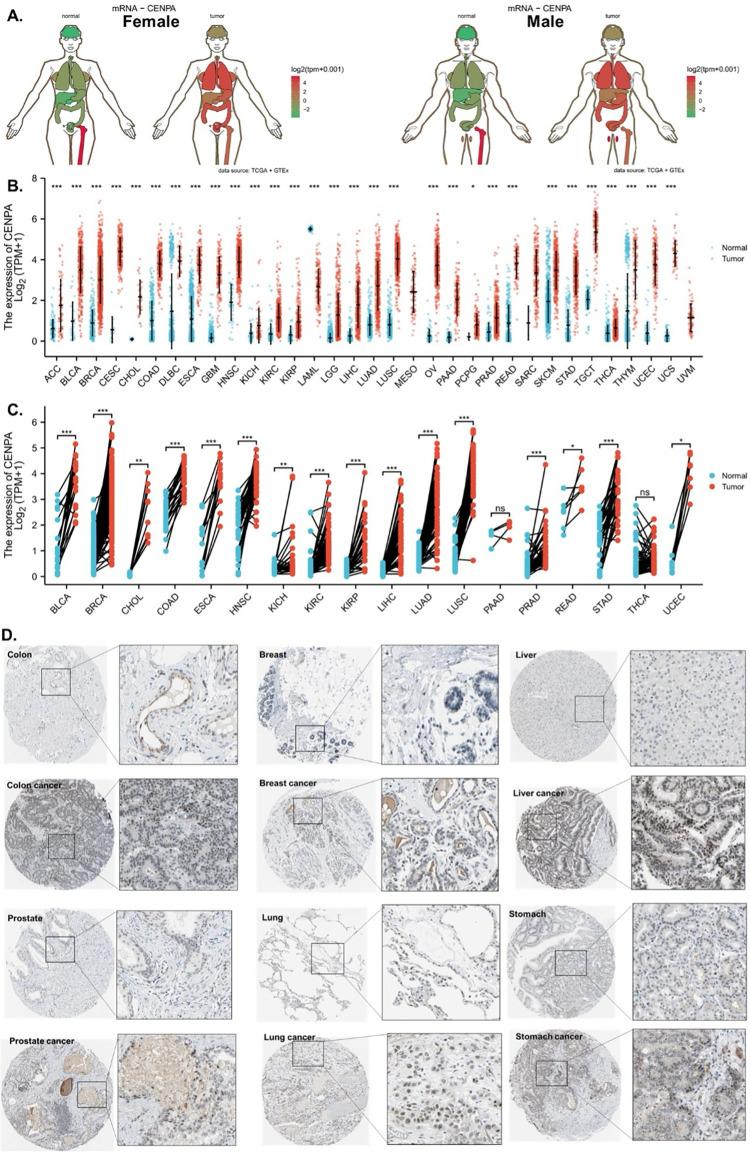
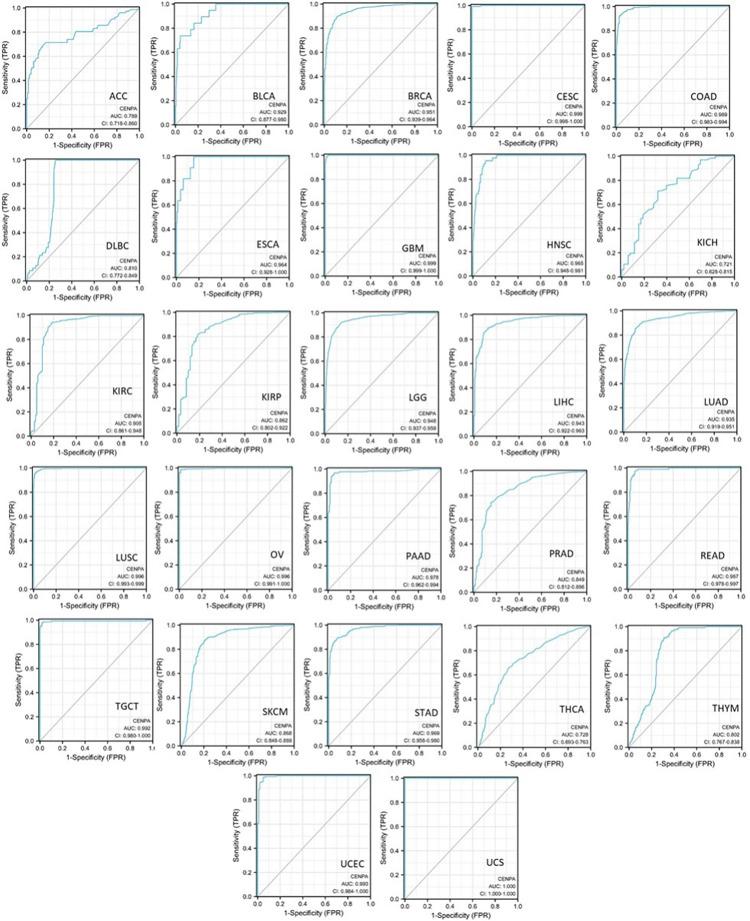
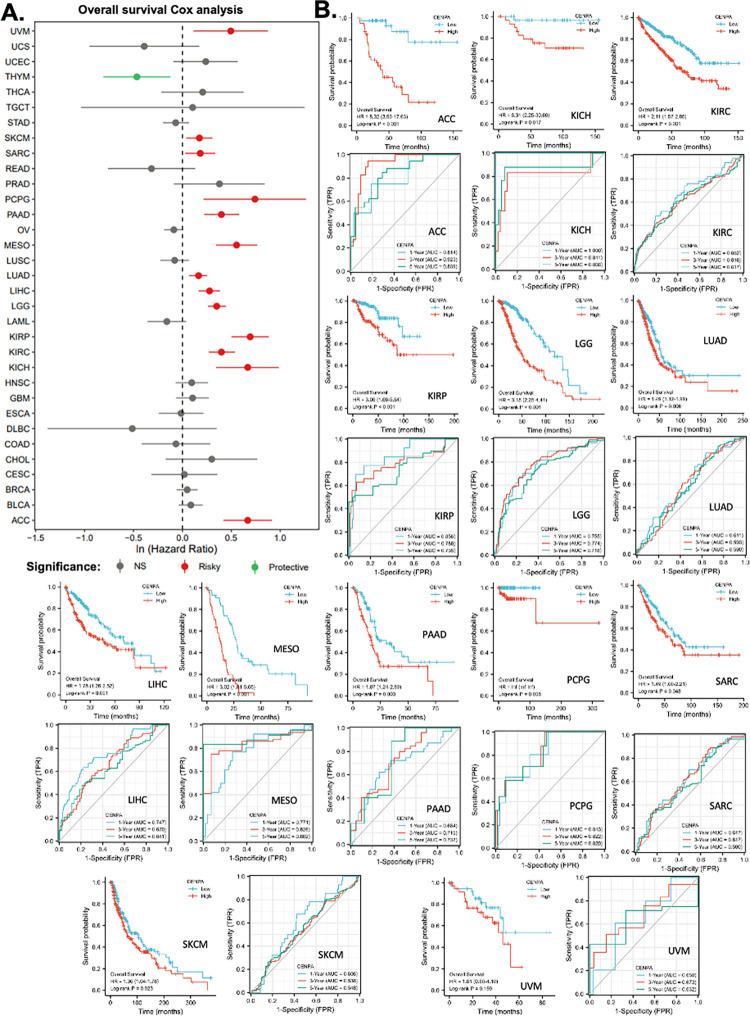
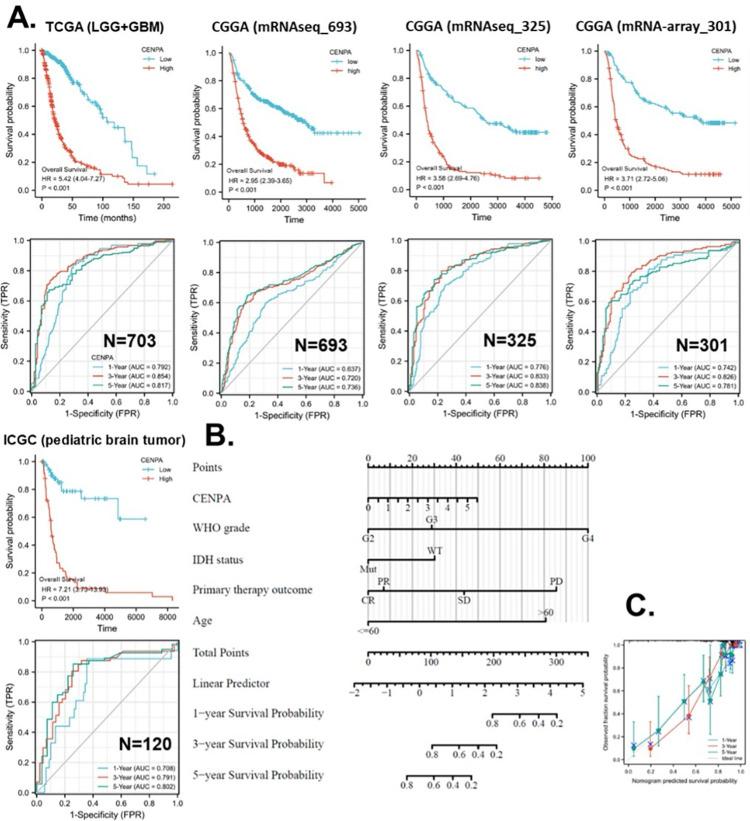
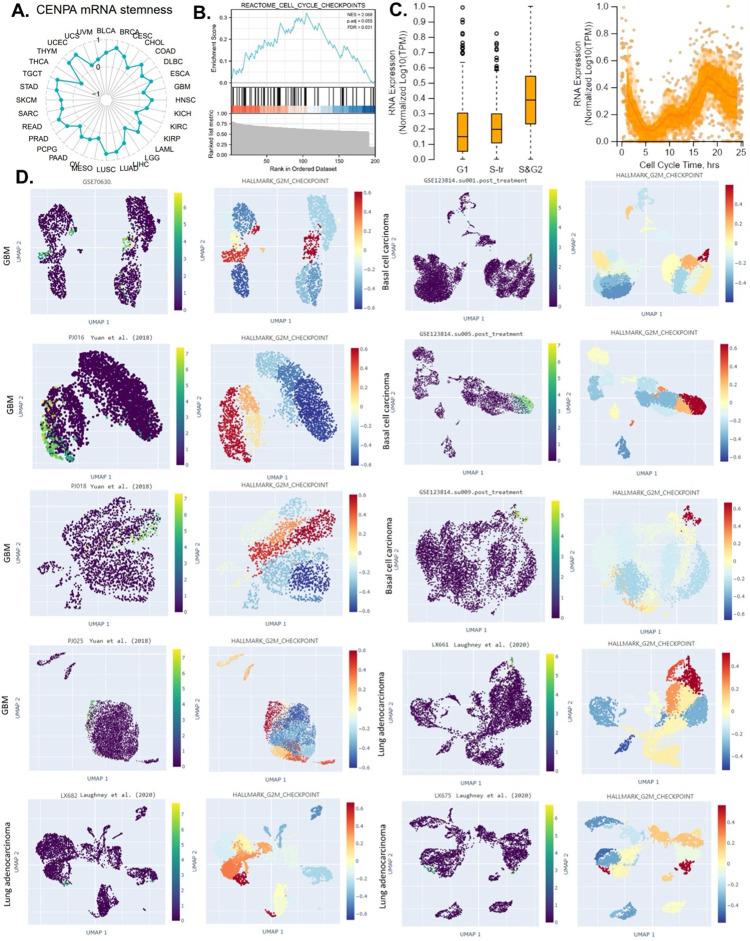
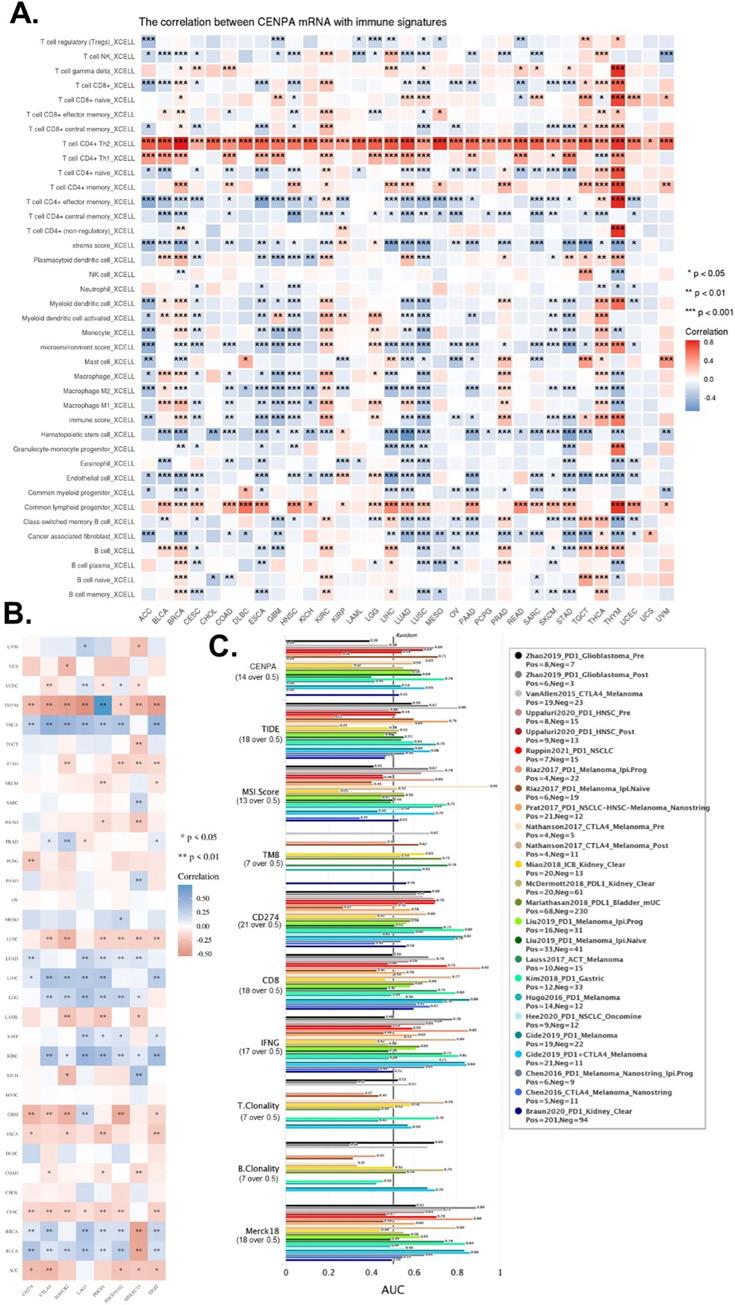
CENPA exhibited low levels of gene mutation across various cancers. It was found to be overexpressed in nearly all cancer types analyzed in TCGA, relative to normal controls, and was predominantly located in the nucleus of malignant cells. CENPA showed a strong association with the cancer cell cycle, particularly as a biomarker for the G2 phase. It also emerged as a valuable diagnostic and prognostic biomarker across multiple cancer types. In glioma, CENPA demonstrated reliable prognostic potential when used alongside other prognostic factors. Additionally, CENPA was linked to the immune microenvironment. Drugs such as CD-437, 3-Cl-AHPC, Trametinib, BI-2536, and GSK461364 were predicted to target CENPA in cancer cells.
CONCLUSION
CENPA serves as a crucial biomarker for the cell cycle in cancers, offering both diagnostic and prognostic value.
背景
癌症仍然是全球最重大的公共卫生挑战之一。癌症一个被广泛认可的标志是维持增殖信号的能力,这与各种细胞周期过程密切相关。着丝粒蛋白A(CENPA)是标准组蛋白H3的一种变体,对细胞周期中选择性染色体分离至关重要。尽管其很重要,但尚未对CENPA进行全面的泛癌生物信息学分析。
方法
从可公开获取的数据库中检索基因组、转录组和临床信息数据。我们分析了CENPA的基因改变、mRNA表达、功能富集、与干性的关联、突变、在细胞群体和细胞位置的表达、与细胞周期的联系、对生存的影响及其与免疫微环境的关系。此外,还开发了一种针对胶质瘤患者的预后模型,以证明CENPA作为生物标志物的潜力。此外,利用药物敏感性相关性和蛋白质 - 配体对接来识别和预测癌细胞中靶向CENPA的药物。
结果
CENPA在各种癌症中的基因突变水平较低。相对于正常对照,在TCGA分析的几乎所有癌症类型中均发现其过表达,且主要位于恶性细胞核中。CENPA与癌细胞周期密切相关,尤其是作为G2期的生物标志物。它还成为多种癌症类型中有价值的诊断和预后生物标志物。在胶质瘤中,与其他预后因素一起使用时,CENPA显示出可靠的预后潜力。此外,CENPA与免疫微环境有关。预测CD - 437、3 - Cl - AHPC、曲美替尼、BI - 2536和GSK461364等药物可靶向癌细胞中的CENPA。
结论
CENPA是癌症细胞周期的关键生物标志物,具有诊断和预后价值。


 Zotero 插件