
肝脏疾病:流行病学、病因、趋势及预测
Liver diseases: epidemiology, causes, trends and predictions.
作者信息
Gan Can, Yuan Yuan, Shen Haiyuan, Gao Jinhang, Kong Xiangxin, Che Zhaodi, Guo Yangkun, Wang Hua, Dong Erdan, Xiao Jia
机构信息
Department of Gastroenterology, West China Hospital, Sichuan University, Chengdu, China.
Aier Institute of Ophthalmology, Central South University, Changsha, China.
出版信息
Signal Transduct Target Ther. 2025 Feb 5;10(1):33. doi: 10.1038/s41392-024-02072-z.
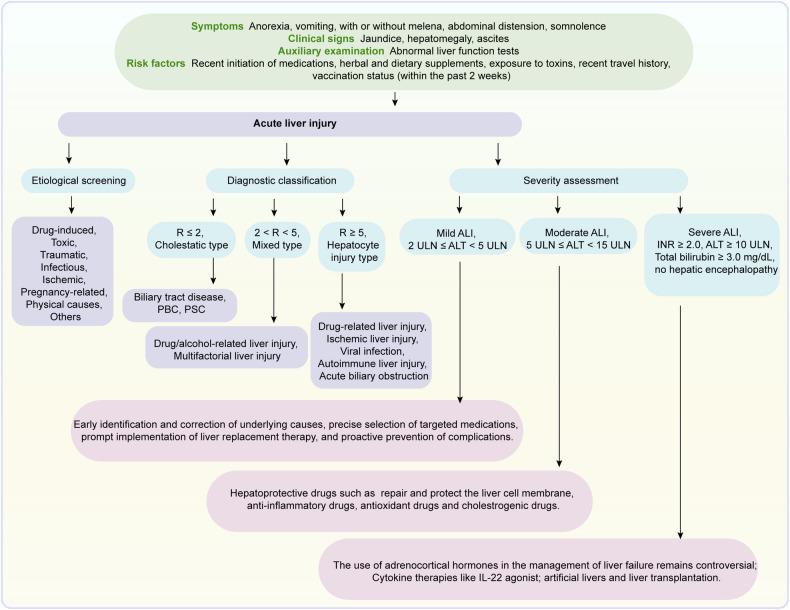
As a highly complex organ with digestive, endocrine, and immune-regulatory functions, the liver is pivotal in maintaining physiological homeostasis through its roles in metabolism, detoxification, and immune response. Various factors including viruses, alcohol, metabolites, toxins, and other pathogenic agents can compromise liver function, leading to acute or chronic injury that may progress to end-stage liver diseases. While sharing common features, liver diseases exhibit distinct pathophysiological, clinical, and therapeutic profiles. Currently, liver diseases contribute to approximately 2 million deaths globally each year, imposing significant economic and social burdens worldwide. However, there is no cure for many kinds of liver diseases, partly due to a lack of thorough understanding of the development of these liver diseases. Therefore, this review provides a comprehensive examination of the epidemiology and characteristics of liver diseases, covering a spectrum from acute and chronic conditions to end-stage manifestations. We also highlight the multifaceted mechanisms underlying the initiation and progression of liver diseases, spanning molecular and cellular levels to organ networks. Additionally, this review offers updates on innovative diagnostic techniques, current treatments, and potential therapeutic targets presently under clinical evaluation. Recent advances in understanding the pathogenesis of liver diseases hold critical implications and translational value for the development of novel therapeutic strategies.
作为一个具有消化、内分泌和免疫调节功能的高度复杂器官,肝脏在通过其在代谢、解毒和免疫反应中的作用维持生理稳态方面起着关键作用。包括病毒、酒精、代谢物、毒素和其他病原体在内的各种因素会损害肝功能,导致急性或慢性损伤,进而可能发展为终末期肝病。虽然肝病具有共同特征,但它们表现出不同的病理生理、临床和治疗特征。目前,肝病每年在全球导致约200万人死亡,给全球带来了巨大的经济和社会负担。然而,许多种类的肝病无法治愈,部分原因是对这些肝病的发展缺乏深入了解。因此,本综述全面审视了肝病的流行病学和特征,涵盖了从急性和慢性病症到终末期表现的范围。我们还强调了肝病发生和进展的多方面机制,从分子和细胞水平到器官网络。此外,本综述提供了关于创新诊断技术、当前治疗方法以及目前正在临床评估的潜在治疗靶点的最新信息。在理解肝病发病机制方面的最新进展对新型治疗策略的开发具有关键意义和转化价值。



 Zotero 插件