
严重创伤性损伤和暴露于线粒体衍生的损伤相关分子模式可促进中性粒细胞存活,并伴随抗凋亡蛋白Mcl-1的稳定。
Major Traumatic Injury and Exposure to Mitochondrial-Derived Damage-Associated Molecular Patterns Promotes Neutrophil Survival Accompanied by Stabilisation of the Anti-Apoptotic Protein Mcl-1.
作者信息
Nicholson Thomas, Macleod Michael, Belli Antonio, Lord Janet M, Hazeldine Jon
机构信息
Department of Inflammation and Ageing, School of Infection, Inflammation and Immunology, College of Medicine and Health, University of Birmingham, Birmingham B15 2TT, UK.
National Institute for Health Research Surgical Reconstruction and Microbiology Research Centre, Queen Elizabeth Hospital Birmingham, Birmingham B15 2TT, UK.
出版信息
Cells. 2025 May 21;14(10):754. doi: 10.3390/cells14100754.
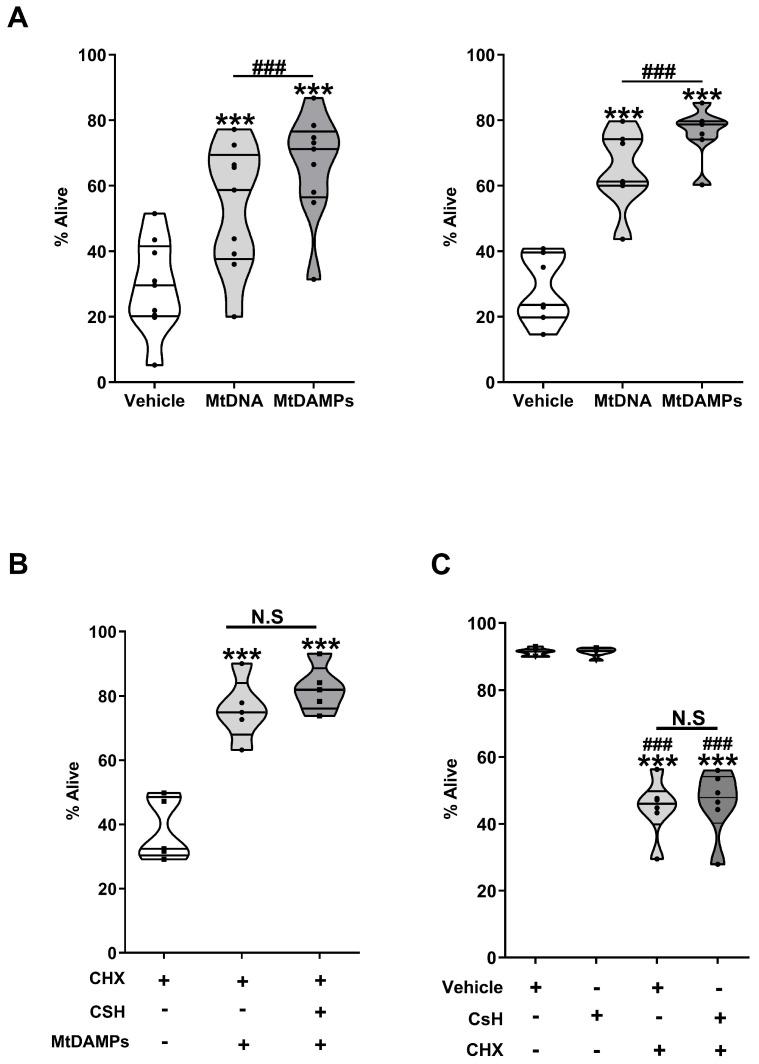
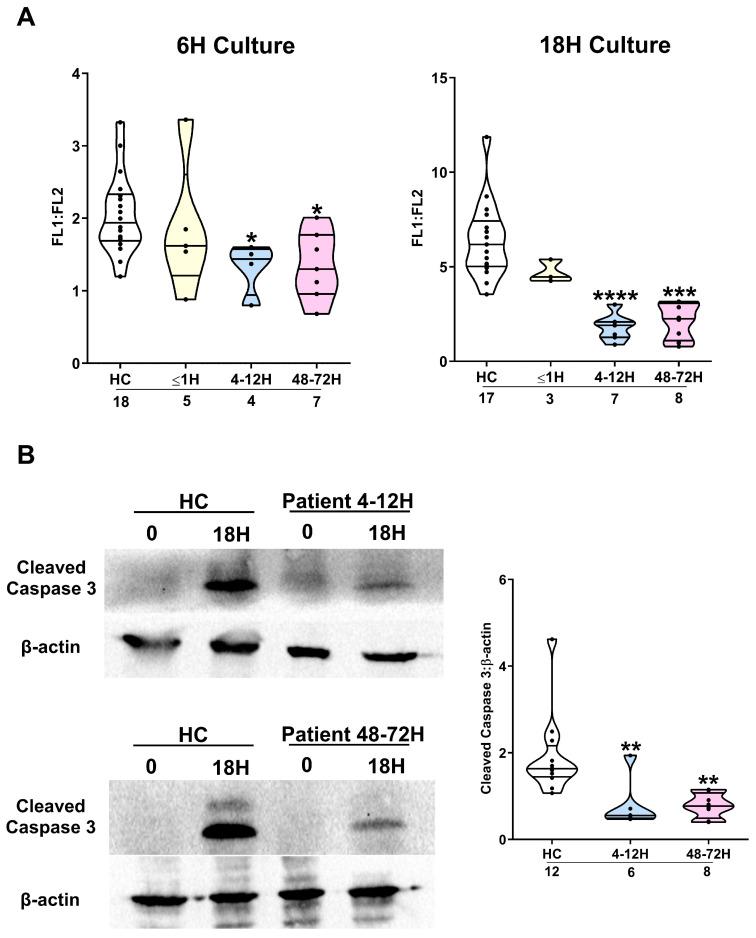
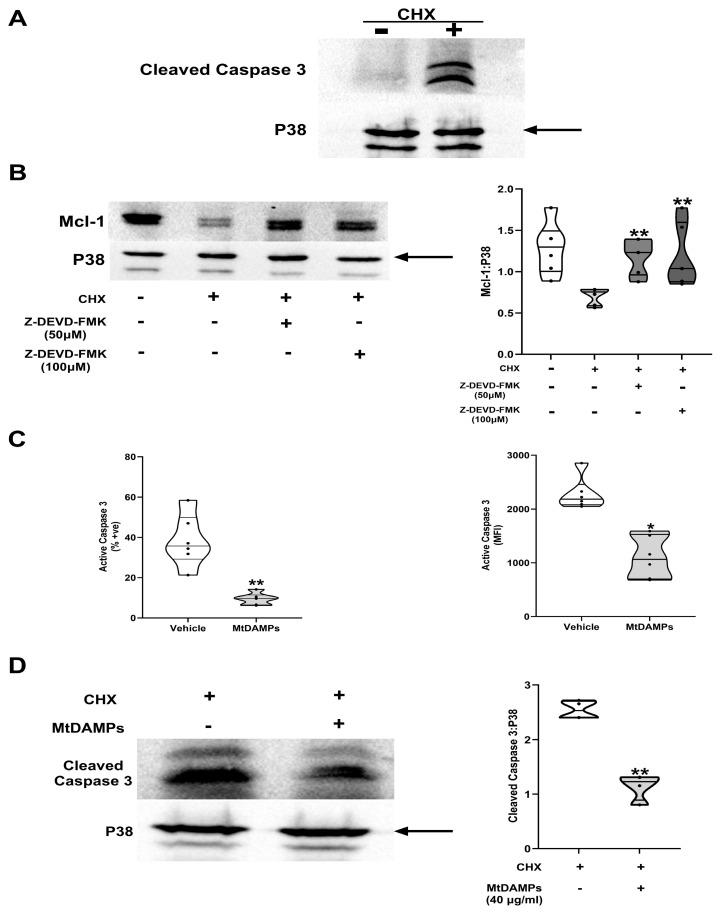
Traumatic injury leads to an extension of the half-life of circulating neutrophils. However, how quickly neutrophil apoptosis is delayed post-injury is currently unknown, as are the underlying mechanisms and factors that promote this extension of lifespan. During the ultra-early (≤1 h) and acute (4-12 and 48-72 h) post-injury phases, we collected blood samples from 73 adult trauma patients. Following ex vivo culture, neutrophil apoptosis was measured, alongside caspase-3 activation and expression of the anti-apoptotic protein Mcl-1. To identify factors that may promote neutrophil survival post-trauma, neutrophils from healthy controls (HCs) were cultured with mitochondrial-derived damage-associated molecular patterns (mtDAMPs) or mitochondrial DNA (mtDNA). Accompanied by reduced mitochondrial membrane depolarisation, delayed Mcl-1 turnover, and reduced caspase-3 activation, the ex vivo lifespan of neutrophils from trauma patients was significantly enhanced in a protein synthesis-independent manner within minutes to hours after injury. Neutrophils from HCs exhibited delayed apoptosis when cultured in media supplemented with trauma patient serum, which occurred alongside stabilisation of Mcl-1. Culturing HCs neutrophils with mtDAMPs or mtDNA significantly delayed apoptosis rates, promoted stabilisation of Mcl-1, and reduced caspase-3 activation. The release of mtDAMPs from damaged tissue may drive post-trauma immune dysregulation by promoting the survival of dysfunctional neutrophils.
创伤性损伤会导致循环中性粒细胞的半衰期延长。然而,目前尚不清楚损伤后中性粒细胞凋亡延迟的速度有多快,以及促进这种寿命延长的潜在机制和因素。在损伤后的超早期(≤1小时)和急性期(4 - 12小时和48 - 72小时),我们从73名成年创伤患者中采集了血样。体外培养后,检测中性粒细胞凋亡情况,同时检测半胱天冬酶 - 3的激活情况以及抗凋亡蛋白Mcl - 1的表达。为了确定可能促进创伤后中性粒细胞存活的因素,将健康对照者(HCs)的中性粒细胞与线粒体衍生的损伤相关分子模式(mtDAMPs)或线粒体DNA(mtDNA)一起培养。伴随着线粒体膜去极化的减少、Mcl - 1周转的延迟以及半胱天冬酶 - 3激活的减少,创伤患者中性粒细胞的体外寿命在损伤后数分钟至数小时内以一种不依赖蛋白质合成的方式显著延长。当在补充有创伤患者血清的培养基中培养时,HCs的中性粒细胞表现出凋亡延迟,同时Mcl - 1稳定。用mtDAMPs或mtDNA培养HCs中性粒细胞可显著延迟凋亡率,促进Mcl - 1的稳定,并降低半胱天冬酶 - 3的激活。受损组织中mtDAMPs的释放可能通过促进功能失调的中性粒细胞存活来驱动创伤后免疫失调。





 Zotero 插件