
自噬在骨骼肌动态平衡和肌肉疾病中的作用。
Autophagy in skeletal muscle homeostasis and in muscular dystrophies.
机构信息
Department of Biomedical Sciences, University of Padova, Viale Giuseppe Colombo 3, Padova 35131, Italy.
出版信息
Cells. 2012 Jul 26;1(3):325-45. doi: 10.3390/cells1030325.
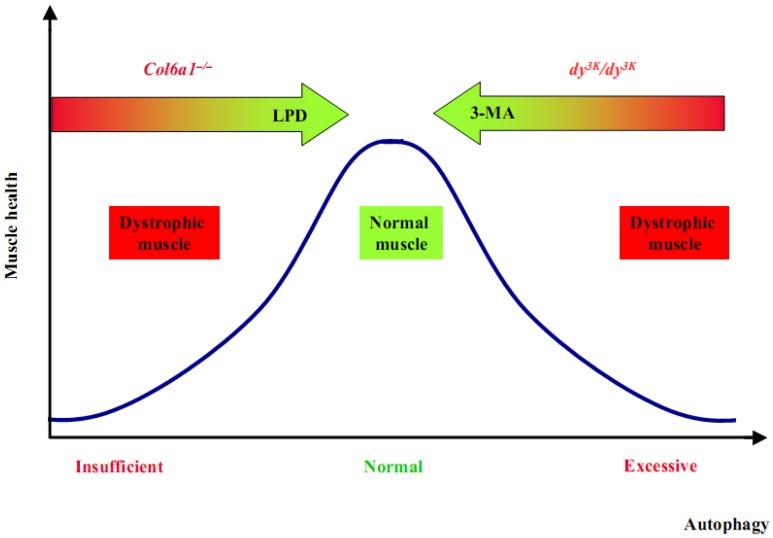
Skeletal muscles are the agent of motion and one of the most important tissues responsible for the control of metabolism. The maintenance of muscle homeostasis is finely regulated by the balance between catabolic and anabolic process. Macroautophagy (or autophagy) is a catabolic process that provides the degradation of protein aggregation and damaged organelles through the fusion between autophagosomes and lysosomes. Proper regulation of the autophagy flux is fundamental for the homeostasis of skeletal muscles during physiological situations and in response to stress. Defective as well as excessive autophagy is harmful for muscle health and has a pathogenic role in several forms of muscle diseases. This review will focus on the role of autophagy in muscle homeostasis and diseases.
骨骼肌是运动的执行者,也是控制新陈代谢的最重要组织之一。肌肉内稳态的维持受到分解代谢和合成代谢过程之间平衡的精细调控。巨自噬(或自噬)是一种分解代谢过程,通过自噬体与溶酶体融合,提供蛋白质聚集物和受损细胞器的降解。自噬流的适当调节对于生理情况下和应激反应中骨骼肌的内稳态至关重要。自噬的缺陷和过度都对肌肉健康有害,并在几种形式的肌肉疾病中具有致病作用。这篇综述将重点介绍自噬在肌肉内稳态和疾病中的作用。


 Zotero 插件