
下肢外骨骼的最新进展与挑战
Recent developments and challenges of lower extremity exoskeletons.
作者信息
Chen Bing, Ma Hao, Qin Lai-Yin, Gao Fei, Chan Kai-Ming, Law Sheung-Wai, Qin Ling, Liao Wei-Hsin
机构信息
Department of Orthopaedics and Traumatology, Chinese University of Hong Kong, Hong Kong, China.
Department of Mechanical and Automation Engineering, Chinese University of Hong Kong, Hong Kong, China.
出版信息
J Orthop Translat. 2015 Oct 17;5:26-37. doi: 10.1016/j.jot.2015.09.007. eCollection 2016 Apr.
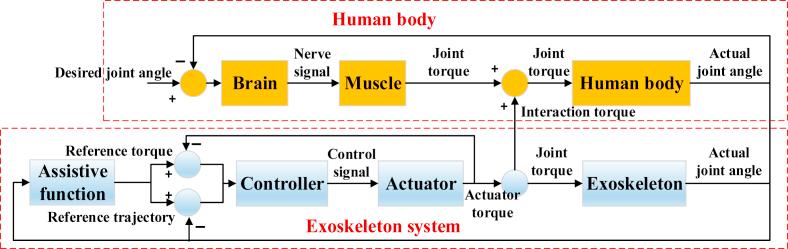
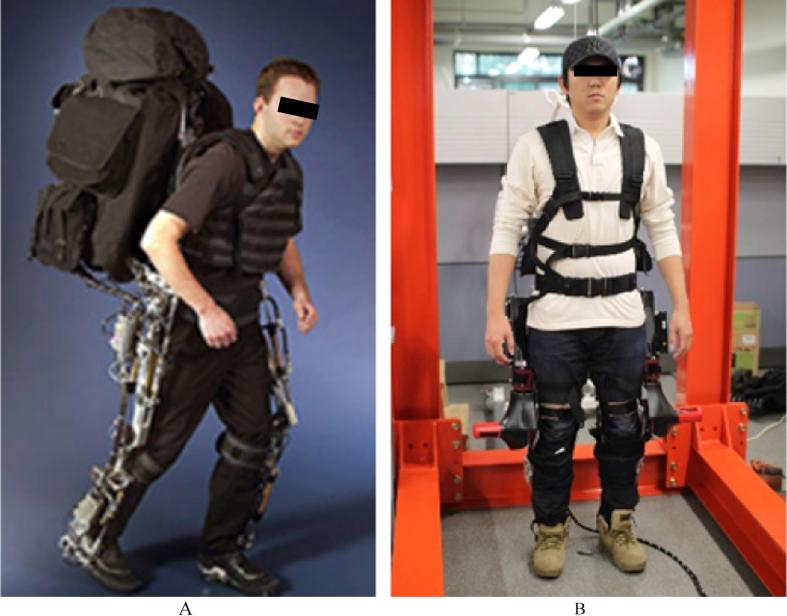
The number of people with a mobility disorder caused by stroke, spinal cord injury, or other related diseases is increasing rapidly. To improve the quality of life of these people, devices that can assist them to regain the ability to walk are of great demand. Robotic devices that can release the burden of therapists and provide effective and repetitive gait training have been widely studied recently. By contrast, devices that can augment the physical abilities of able-bodied humans to enhance their performances in industrial and military work are needed as well. In the past decade, robotic assistive devices such as exoskeletons have undergone enormous progress, and some products have recently been commercialized. Exoskeletons are wearable robotic systems that integrate human intelligence and robot power. This paper first introduces the general concept of exoskeletons and reviews several typical lower extremity exoskeletons (LEEs) in three main applications (i.e. gait rehabilitation, human locomotion assistance, and human strength augmentation), and provides a systemic review on the acquisition of a wearer's motion intention and control strategies for LEEs. The limitations of the currently developed LEEs and future research and development directions of LEEs for wider applications are discussed.
因中风、脊髓损伤或其他相关疾病导致行动障碍的人数正在迅速增加。为提高这些人的生活质量,对能够帮助他们恢复行走能力的设备需求巨大。最近,能够减轻治疗师负担并提供有效且重复的步态训练的机器人设备得到了广泛研究。相比之下,也需要能够增强健全人的身体能力以提高其在工业和军事工作中表现的设备。在过去十年中,诸如外骨骼等机器人辅助设备取得了巨大进展,一些产品最近已实现商业化。外骨骼是整合了人类智能和机器人动力的可穿戴机器人系统。本文首先介绍外骨骼的一般概念,回顾三种主要应用(即步态康复、人类行走辅助和人类力量增强)中的几种典型下肢外骨骼(LEEs),并对LEEs穿戴者运动意图的获取和控制策略进行系统综述。讨论了当前已开发的LEEs的局限性以及LEEs在更广泛应用方面的未来研发方向。


 Zotero 插件