
具有改善韧性的细菌聚酯聚(3-羟基丁酸酯-3-羟基己酸酯)与聚己内酯二元共混物的制造与性能
Manufacturing and Properties of Binary Blend from Bacterial Polyester Poly(3-hydroxybutyrate--3-hydroxyhexanoate) and Poly(caprolactone) with Improved Toughness.
作者信息
Ivorra-Martinez Juan, Verdu Isabel, Fenollar Octavio, Sanchez-Nacher Lourdes, Balart Rafael, Quiles-Carrillo Luis
机构信息
Technological Institute of Materials (ITM), Universitat Politècnica de València (UPV), Plaza Ferrándiz y Carbonell 1, 03801 Alcoy, Spain.
出版信息
Polymers (Basel). 2020 May 14;12(5):1118. doi: 10.3390/polym12051118.
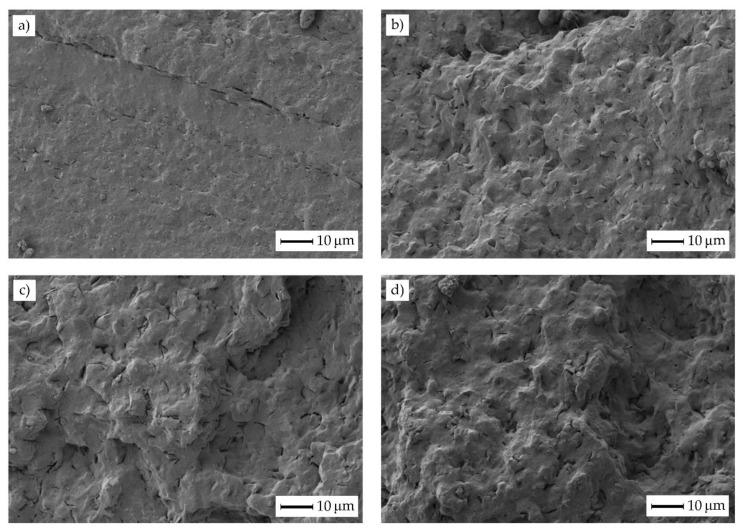
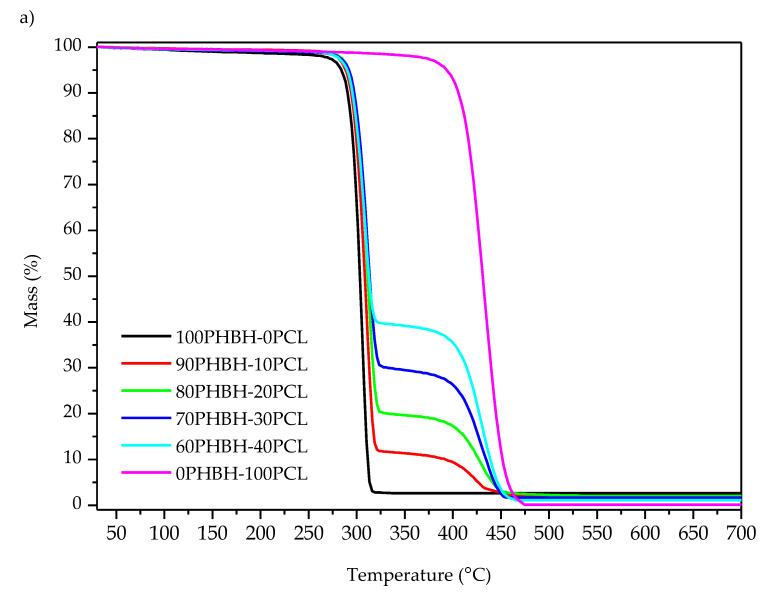
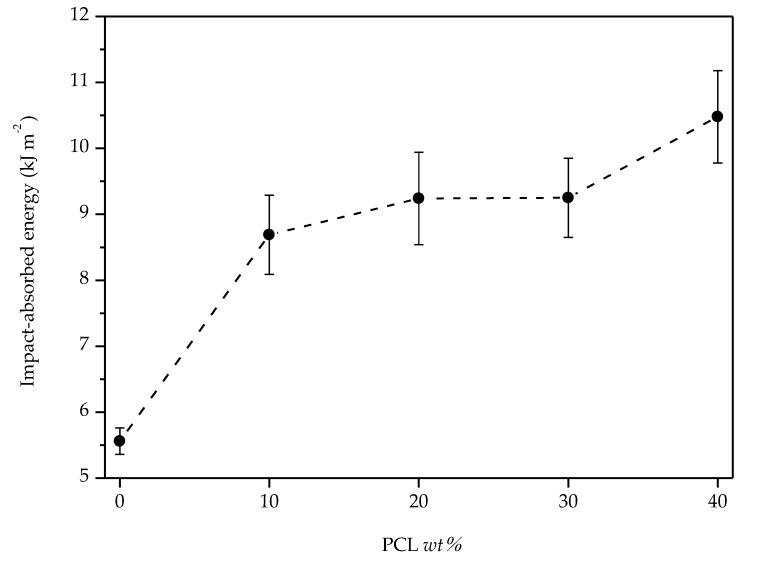
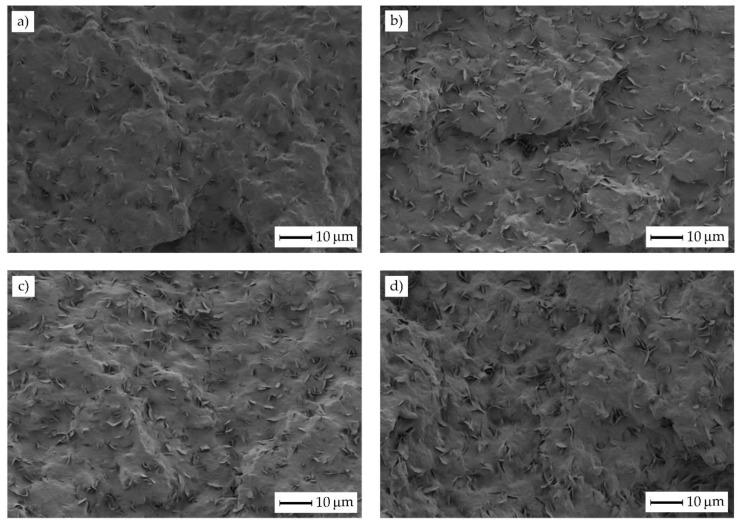
Polyhydroxyalkanoates (PHAs) represent a promising group of bacterial polyesters for new applications. Poly(3-hydroxybutyrate--3-hydroxyhexanoate) (PHBH) is a very promising bacterial polyester with potential uses in the packaging industry; nevertheless, as with many (almost all) bacterial polyesters, PHBH undergoes secondary crystallization (aging) which leads to an embrittlement. To overcome or minimize this, in the present work a flexible petroleum-derived polyester, namely poly(ε-caprolactone), was used to obtain PHBH/PCL blends with different compositions (from 0 to 40 PCL wt %) using extrusion followed by injection moulding. The thermal analysis of the binary blends was studied by means of differential scanning calorimetry (DSC) and thermogravimetry (TGA). Both TGA and DSC revealed immiscibility between PHBH and PCL. Mechanical dynamic thermal analysis (DMTA) allowed a precise determination of the glass transition temperatures () as a function of the blend composition. By means of field emission scanning electron microscopy (FESEM), an internal structure formed by two phases was observed, with a PHBH-rich matrix phase and a finely dispersed PCL-rich phase. These results confirmed the immiscibility between these two biopolymers. However, the mechanical properties obtained through tensile and Charpy tests, indicated that the addition of PCL to PHBH considerably improved toughness. PHBH/PCL blends containing 40 PCL wt % offered an impact resistance double that of neat PHBH. PCL addition also contributed to a decrease in brittleness and an improvement in toughness and some other ductile properties. As expected, an increase in ductile properties resulted in a decrease in some mechanical resistant properties, e.g., the modulus and the strength (in tensile and flexural conditions) decreased with increasing wt % PCL in PHBH/PCL blends.
聚羟基脂肪酸酯(PHA)是一类很有前景的用于新应用的细菌聚酯。聚(3-羟基丁酸酯-3-羟基己酸酯)(PHBH)是一种非常有前景的细菌聚酯,在包装行业有潜在用途;然而,与许多(几乎所有)细菌聚酯一样,PHBH会发生二次结晶(老化),这会导致脆化。为了克服或最小化这一问题,在本工作中,使用一种柔性的石油衍生聚酯,即聚(ε-己内酯),通过挤出然后注塑成型来获得具有不同组成(从0到40%PCL重量百分比)的PHBH/PCL共混物。通过差示扫描量热法(DSC)和热重分析法(TGA)研究了二元共混物的热分析。TGA和DSC都表明PHBH和PCL之间不相容。动态热机械分析(DMTA)能够精确测定玻璃化转变温度()作为共混物组成的函数。通过场发射扫描电子显微镜(FESEM),观察到由两相形成的内部结构,有富含PHBH的基体相和精细分散的富含PCL的相。这些结果证实了这两种生物聚合物之间不相容。然而,通过拉伸和夏比试验获得的力学性能表明,向PHBH中添加PCL显著提高了韧性。含有40%PCL重量百分比的PHBH/PCL共混物的抗冲击性是纯PHBH的两倍。添加PCL也有助于降低脆性并改善韧性和一些其他的韧性性能。正如预期的那样,韧性性能的提高导致一些力学抗性性能下降,例如,随着PHBH/PCL共混物中PCL重量百分比的增加,模量和强度(在拉伸和弯曲条件下)降低。



 Zotero 插件