
一种通过修饰的 mRNA-LNP 免疫来生产 SARS-CoV-2 单克隆抗体的有效方法。
An efficient approach for SARS-CoV-2 monoclonal antibody production via modified mRNA-LNP immunization.
机构信息
Biomedical Translation Research Center (BioTReC), Academia Sinica, Taipei 11529, Taiwan.
Institute of Cellular and Organismic Biology, Academia Sinica, Taipei 11529, Taiwan.
出版信息
Int J Pharm. 2022 Nov 5;627:122256. doi: 10.1016/j.ijpharm.2022.122256. Epub 2022 Oct 2.
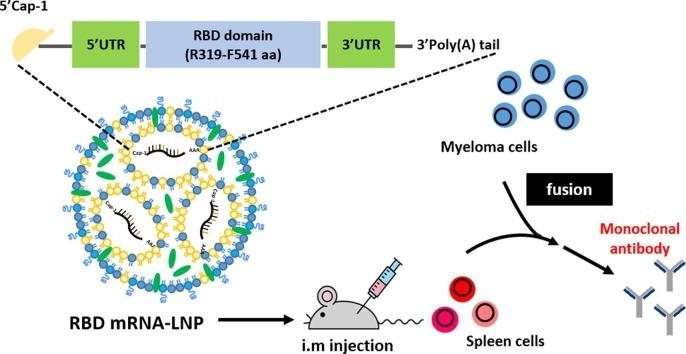
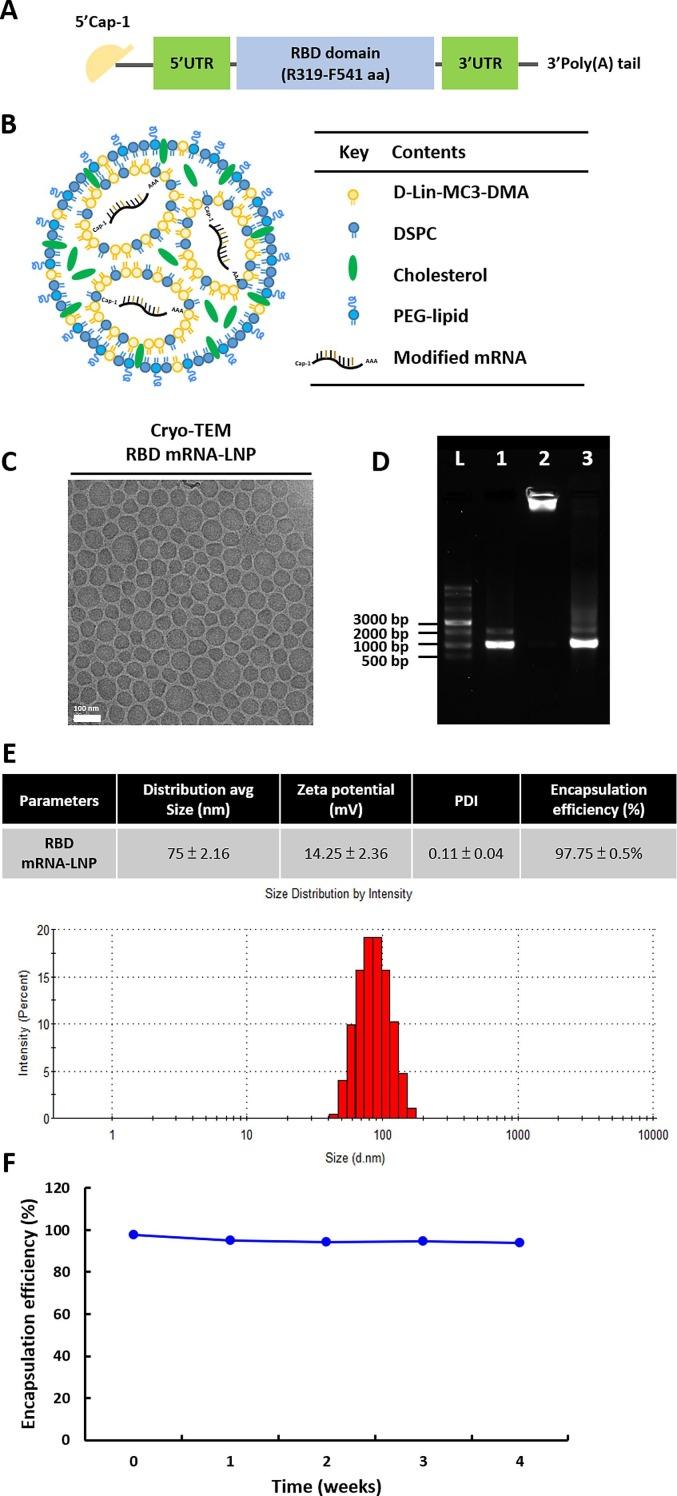
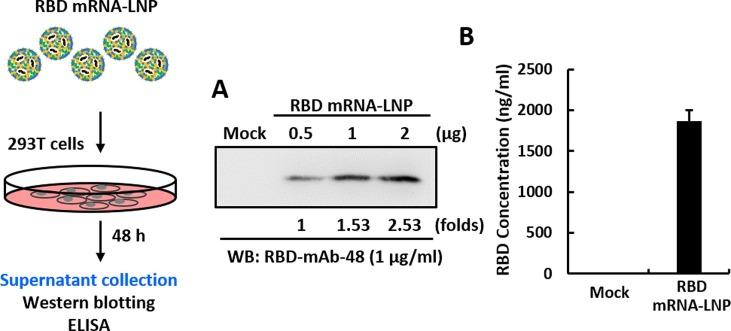
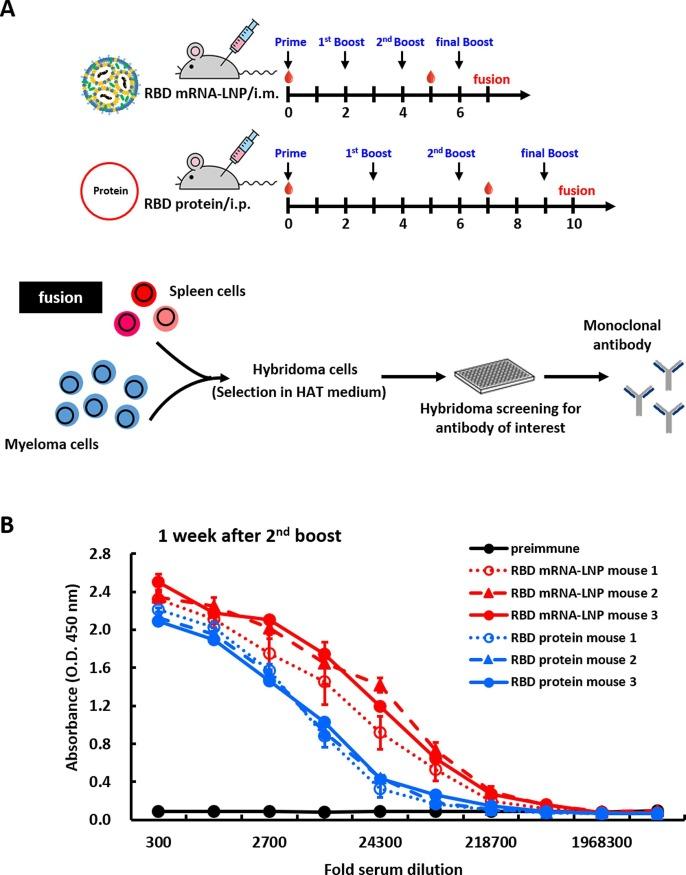
Throughout the COVID-19 pandemic, many prophylactic and therapeutic drugs have been evaluated and introduced. Among these treatments, monoclonal antibodies (mAbs) that bind to and neutralize SARS-CoV-2 virus have been applied as complementary and alternative treatments to vaccines. Although different methodologies have been utilized to produce mAbs, traditional hybridoma fusion technology is still commonly used for this purpose due to its unmatched performance record. In this study, we coupled the hybridoma fusion strategy with mRNA-lipid nanoparticle (LNP) immunization. This time-saving approach can circumvent biological and technical hurdles, such as difficult-to-express membrane proteins, antigen instability, and the lack of posttranslational modifications on recombinant antigens. We used mRNA-LNP immunization and hybridoma fusion technology to generate mAbs against the receptor binding domain (RBD) of SARS-CoV-2 spike (S) protein. Compared with traditional protein-based immunization approaches, inoculation of mice with RBD mRNA-LNP induced higher titers of serum antibodies and markedly increased serum neutralizing activity. The mAbs we obtained can bind to SARS-CoV-2 RBDs from several variants. Notably, RBD-mAb-3 displayed particularly high binding affinities and neutralizing potencies against both Alpha and Delta variants. In addition to introducing specific mAbs against SARS-CoV-2, our data generally demonstrate that mRNA-LNP immunization may be useful to quickly generate highly functional mAbs against emerging infectious diseases.
在整个 COVID-19 大流行期间,已经评估和引入了许多预防性和治疗性药物。在这些治疗方法中,结合并中和 SARS-CoV-2 病毒的单克隆抗体(mAbs)已被用作疫苗的补充和替代治疗方法。尽管已经使用了不同的方法来生产 mAbs,但由于其无与伦比的性能记录,传统的杂交瘤融合技术仍然常用于此目的。在这项研究中,我们将杂交瘤融合策略与 mRNA-脂质纳米颗粒(LNP)免疫相结合。这种节省时间的方法可以避免生物和技术障碍,例如难以表达的膜蛋白、抗原不稳定性以及重组抗原缺乏翻译后修饰。我们使用 mRNA-LNP 免疫和杂交瘤融合技术来产生针对 SARS-CoV-2 刺突(S)蛋白受体结合域(RBD)的 mAbs。与传统的基于蛋白质的免疫接种方法相比,用 RBD mRNA-LNP 接种小鼠可诱导更高滴度的血清抗体,并显著增加血清中和活性。我们获得的 mAbs 可以与来自几种变体的 SARS-CoV-2 RBD 结合。值得注意的是,RBD-mAb-3 对 Alpha 和 Delta 变体均显示出特别高的结合亲和力和中和效力。除了引入针对 SARS-CoV-2 的特异性 mAbs 外,我们的数据还普遍表明,mRNA-LNP 免疫可能有助于快速产生针对新发传染病的高功能 mAbs。



 Zotero 插件