
中国一种新型血清型传染性支气管炎病毒(GI-28)的鉴定与分子特征分析
Identification and molecular characterization of a novel serotype infectious bronchitis virus (GI-28) in China.
作者信息
Chen Yuqiu, Jiang Lei, Zhao Wenjun, Liu Liangliang, Zhao Yan, Shao Yuhao, Li Huixin, Han Zongxi, Liu Shengwang
机构信息
Division of Avian Infectious Diseases, State Key Laboratory of Veterinary Biotechnology, Harbin Veterinary Research Institute, The Chinese Academy of Agricultural Sciences, Harbin 150001, People's Republic of China.
Division of Avian Infectious Diseases, State Key Laboratory of Veterinary Biotechnology, Harbin Veterinary Research Institute, The Chinese Academy of Agricultural Sciences, Harbin 150001, People's Republic of China.
出版信息
Vet Microbiol. 2017 Jan;198:108-115. doi: 10.1016/j.vetmic.2016.12.017. Epub 2016 Dec 16.
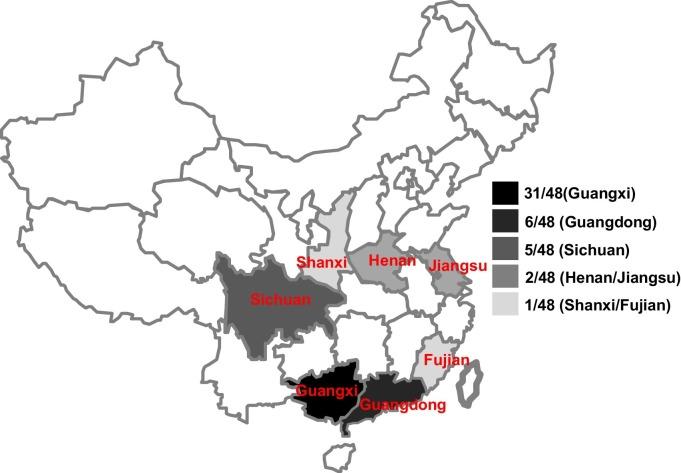
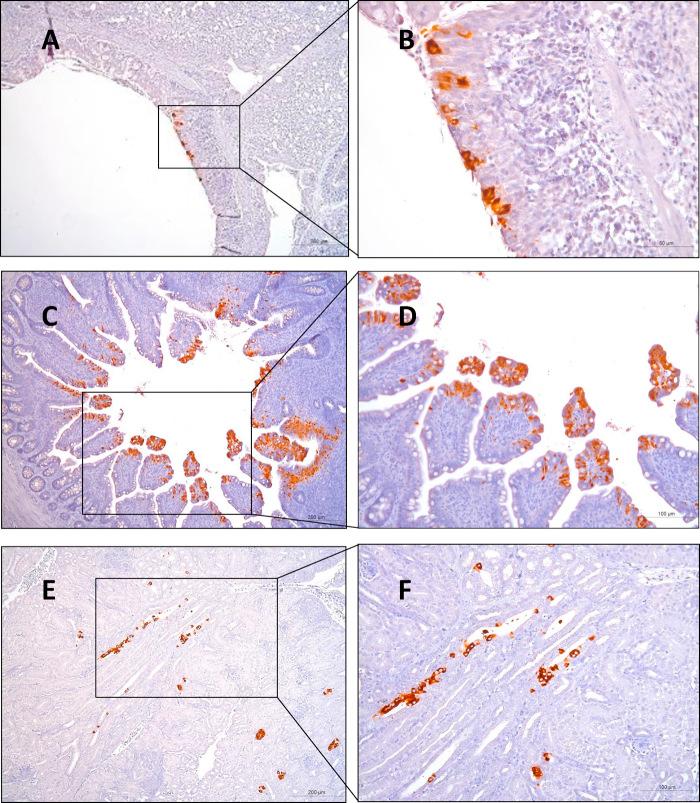
Avian infectious bronchitis coronavirus (IBV) is a major poultry pathogen. A characteristic feature of IBV is the occurrence of many different strains belonging to different serotypes, which renders complete control of the disease by vaccination a challenging task due to the poor cross-protection between different serotypes. In this study, based on the results of S1 sequence analysis and virus cross-neutralization tests, IBV strain ck/CH/LGX/111119 was found to be genetically and antigenically different from other known IBV types, representing not only a novel genotype, but also a novel serotype (designated as GI-28). Viruses belonging to this novel serotype have been isolated from several regions in China in recent years, suggesting endemic circulation of the serotype in various geographic locations in China. Further studies by complete genomic analysis showed that strain ck/CH/LGX/111119 may have originated from recombination events involving LX4 genotype IBVs and an as-yet-unidentified IBV donating a S1 gene, or from the result of accumulation of mutations and selections, especially in the S1 gene, from a LX4 genotype virus. ck/CH/LGX/111119 is a nephropathogenic strain, although it had broader tissue tropism (respiratory, digestive, urinary, and reproductive tracts) among chickens challenged at one day old. Infection of the oviducts with ck/CH/LGX/111119 found in this study may have severe implications because the virus will likely induce the occurrence of false layers.
禽传染性支气管炎冠状病毒(IBV)是一种主要的家禽病原体。IBV的一个特征是存在许多属于不同血清型的不同毒株,由于不同血清型之间交叉保护作用差,通过疫苗接种完全控制该病是一项具有挑战性的任务。在本研究中,基于S1序列分析和病毒交叉中和试验结果,发现IBV毒株ck/CH/LGX/111119在遗传和抗原性上与其他已知IBV类型不同,不仅代表一种新型基因型,而且代表一种新型血清型(命名为GI-28)。近年来,在中国多个地区分离到属于这种新型血清型的病毒,表明该血清型在中国不同地理位置呈地方流行。通过全基因组分析进一步研究表明,毒株ck/CH/LGX/111119可能起源于涉及LX4基因型IBV和一个尚未鉴定的捐赠S1基因的IBV的重组事件,或者起源于LX4基因型病毒的突变积累和选择结果,特别是在S1基因中。ck/CH/LGX/111119是一种肾致病性毒株,尽管它在一日龄雏鸡中具有更广泛的组织嗜性(呼吸道、消化道、泌尿道和生殖道)。本研究中发现ck/CH/LGX/111119感染输卵管可能具有严重影响,因为该病毒可能会导致假母鸡的出现。



 Zotero 插件