
通过牛胰脱氧核糖核酸酶I处理降低肿瘤侵袭潜能后,荷LLC小鼠血清中胞外DNA谱的改变。
Alteration of the exDNA profile in blood serum of LLC-bearing mice under the decrease of tumour invasion potential by bovine pancreatic DNase I treatment.
作者信息
Alekseeva Ludmila A, Mironova Nadezhda L, Brenner Evgenyi V, Kurilshikov Alexander M, Patutina Olga A, Zenkova Marina A
机构信息
Institute of Chemical Biology and Fundamental Medicine, SB RAS, Novosibirsk, Russia.
出版信息
PLoS One. 2017 Feb 21;12(2):e0171988. doi: 10.1371/journal.pone.0171988. eCollection 2017.
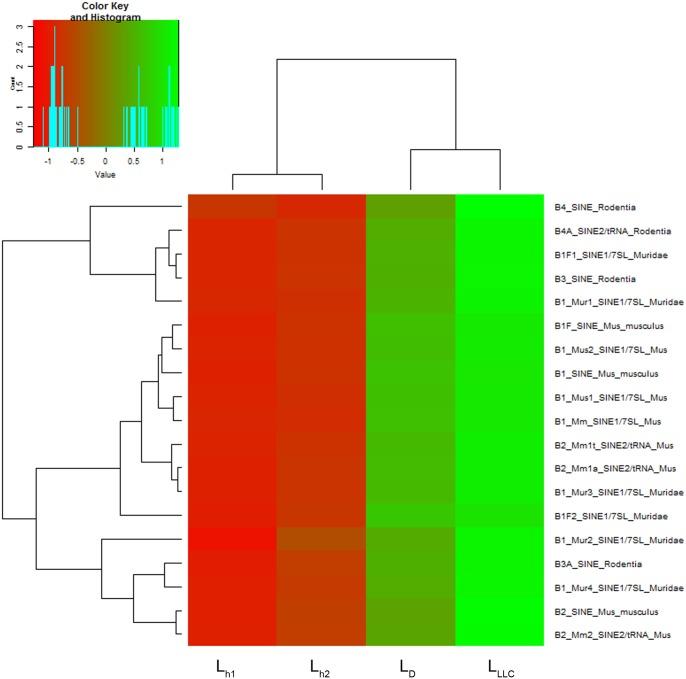
Taking into account recently obtained data indicating the participation of circulating extracellular DNA (exDNA) in tumorigenesis, enzymes with deoxyribonucleic activity have again been considered as potential antitumour and antimetastatic drugs. Previously, using murine Lewis lung carcinoma and hepatocellular carcinoma A1 tumour models, we have shown the antimetastatic activity of bovine DNase I, which correlates with an increase of DNase activity and a decrease of exDNA concentration in the blood serum of tumour-bearing mice. In this work, using next-generation sequencing on the ABS SOLiD™ 5.500 platform, we performed a search for molecular targets of DNase I by comparing the exDNA profiles of healthy animals, untreated animals with Lewis lung carcinoma (LLC) and those with LLC treated with DNase I. We found that upon DNase I treatment of LLC-bearing mice, together with inhibition of metastasis, a number of strong alterations in the patterns of exDNA were observed. The major differences in exDNA profiles between groups were: i) the level of GC-poor sequences increased during tumour development was reduced to that of healthy mice; ii) levels of sequences corresponding to tumour-associated genes Hmga2, Myc and Jun were reduced in the DNase I-treated group in comparison with non-treated mice; iii) 224 types of tandem repeat over-presented in untreated LLC-bearing mice were significantly reduced after DNase I treatment. The most important result obtained in the work is that DNase I decreased the level of B-subfamily repeats having homology to human ALU repeats, known as markers of carcinogenesis, to the level of healthy animals. Thus, the obtained data lead us to suppose that circulating exDNA plays a role in tumour dissemination, and alteration of multiple molecular targets in the bloodstream by DNase I reduces the invasive potential of tumours.
考虑到最近获得的数据表明循环细胞外DNA(exDNA)参与肿瘤发生,具有脱氧核糖核酸活性的酶再次被视为潜在的抗肿瘤和抗转移药物。此前,我们使用小鼠Lewis肺癌和肝癌A1肿瘤模型,证明了牛DNase I的抗转移活性,这与荷瘤小鼠血清中DNase活性的增加和exDNA浓度的降低相关。在这项工作中,我们在ABS SOLiD™ 5.500平台上使用下一代测序技术,通过比较健康动物、未治疗的Lewis肺癌(LLC)动物和用DNase I治疗的LLC动物的exDNA谱,寻找DNase I的分子靶点。我们发现,在用DNase I治疗荷LLC小鼠后,在抑制转移的同时,观察到exDNA模式发生了一些强烈变化。各组之间exDNA谱的主要差异在于:i)肿瘤发展过程中增加的低GC含量序列水平降低至健康小鼠的水平;ii)与未治疗小鼠相比,DNase I治疗组中与肿瘤相关基因Hmga2、Myc和Jun对应的序列水平降低;iii)DNase I治疗后,未治疗的荷LLC小鼠中过度出现的224种串联重复类型显著减少。这项工作中获得的最重要结果是,DNase I将与人类ALU重复序列具有同源性的B亚家族重复序列水平降低至健康动物的水平,而人类ALU重复序列是致癌的标志物。因此,获得的数据使我们推测循环exDNA在肿瘤播散中起作用,并且DNase I对血液中多个分子靶点的改变降低了肿瘤的侵袭潜力。



 Zotero 插件