
人类气道细胞可阻止 SARS-CoV-2 多碱性切割位点细胞适应培养。
Human airway cells prevent SARS-CoV-2 multibasic cleavage site cell culture adaptation.
机构信息
Viroscience Department, Erasmus Medical Center, Rotterdam, Netherlands.
Department of Biochemistry, University of Illinois at Urbana-Champaign, Urbana, United States.
出版信息
Elife. 2021 Apr 9;10:e66815. doi: 10.7554/eLife.66815.
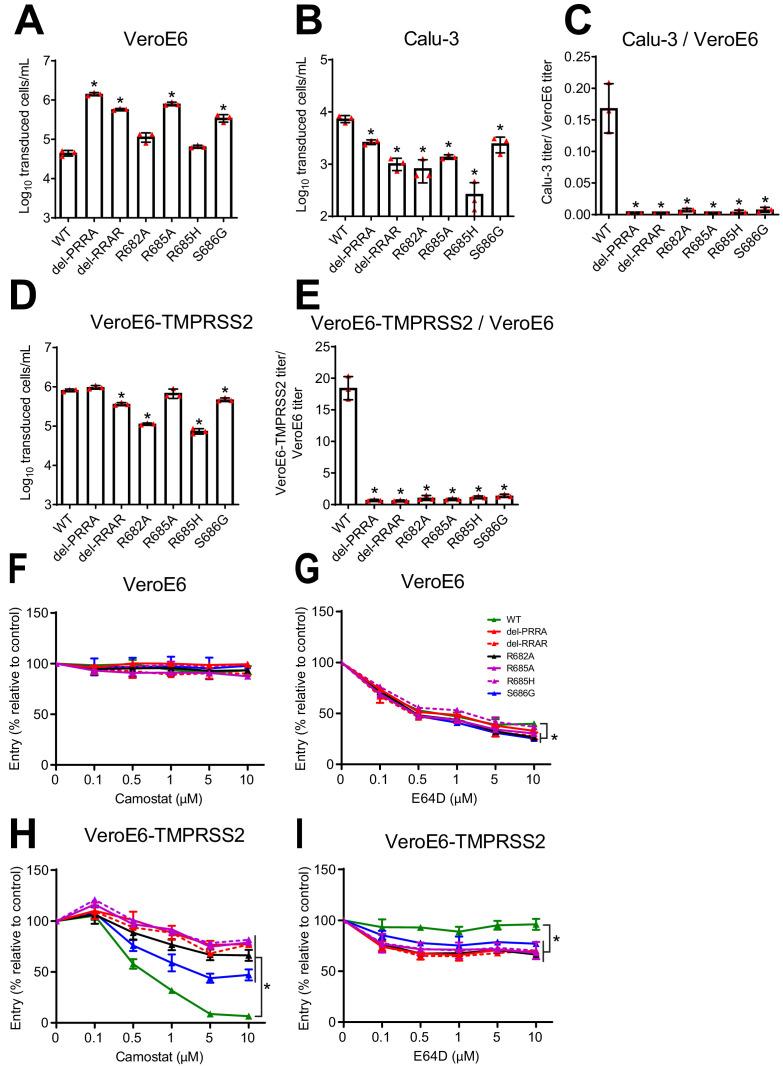
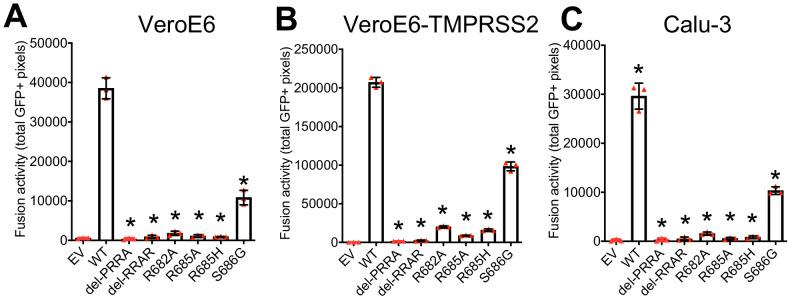
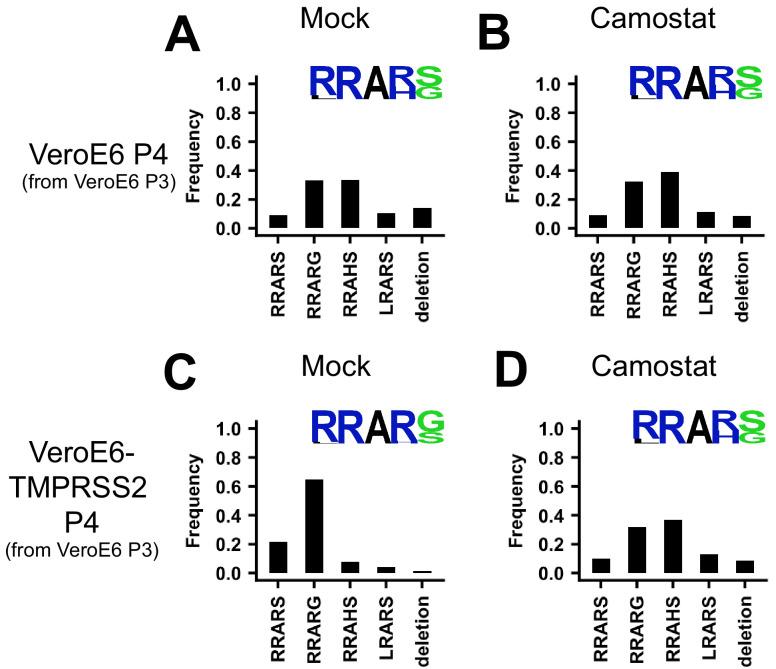
Virus propagation methods generally use transformed cell lines to grow viruses from clinical specimens, which may force viruses to rapidly adapt to cell culture conditions, a process facilitated by high viral mutation rates. Upon propagation in VeroE6 cells, SARS-CoV-2 may mutate or delete the multibasic cleavage site (MBCS) in the spike protein. Previously, we showed that the MBCS facilitates serine protease-mediated entry into human airway cells (Mykytyn et al., 2021). Here, we report that propagating SARS-CoV-2 on the human airway cell line Calu-3 - that expresses serine proteases - prevents cell culture adaptations in the MBCS and directly adjacent to the MBCS (S686G). Similar results were obtained using a human airway organoid-based culture system for SARS-CoV-2 propagation. Thus, in-depth knowledge on the biology of a virus can be used to establish methods to prevent cell culture adaptation.
病毒传播方法通常使用经过转化的细胞系从临床标本中培养病毒,这可能迫使病毒迅速适应细胞培养条件,而高病毒突变率有助于这一过程。在 VeroE6 细胞中繁殖时,SARS-CoV-2 可能会使刺突蛋白中的多碱性切割位点(MBCS)发生突变或缺失。此前,我们表明 MBCS 促进丝氨酸蛋白酶介导的进入人体气道细胞(Mykytyn 等人,2021)。在这里,我们报告在表达丝氨酸蛋白酶的人气道细胞系 Calu-3 上繁殖 SARS-CoV-2 可防止 MBCS 及其紧邻的 S686G 处发生细胞培养适应。使用基于人呼吸道类器官的 SARS-CoV-2 繁殖培养系统获得了类似的结果。因此,可以利用对病毒生物学的深入了解来建立防止细胞培养适应的方法。






 Zotero 插件