
DNA 甲基化估计表型、端粒长度与缺血性脑卒中风险:筛查的表观遗传年龄加速与孟德尔随机化研究。
DNA methylation-estimated phenotypes, telomere length and risk of ischemic stroke: epigenetic age acceleration of screening and a Mendelian randomization study.
机构信息
Department of Neurosurgery, Neurosurgery Centre, The First Affiliated Hospital of Xinjiang Medical University, Urumqi, Xinjiang 830054, China.
Department of Neurology, The First Affiliated Hospital of Xinjiang Medical University, Urumqi, Xinjiang 830054, China.
出版信息
Aging (Albany NY). 2024 Aug 16;16(16):11970-11993. doi: 10.18632/aging.206072.
BACKGROUND
Aging is a complex biological process that may be accelerated in certain pathological conditions. DNA methylation age (DNAmAge) has emerged as a biomarker for biological age, which can differ from chronological age. This research peels back the layers of the relationship between fast-forward aging and ischemic stroke, poking and prodding the potential two-way causal influences between stroke and biological aging indicators.
METHODS
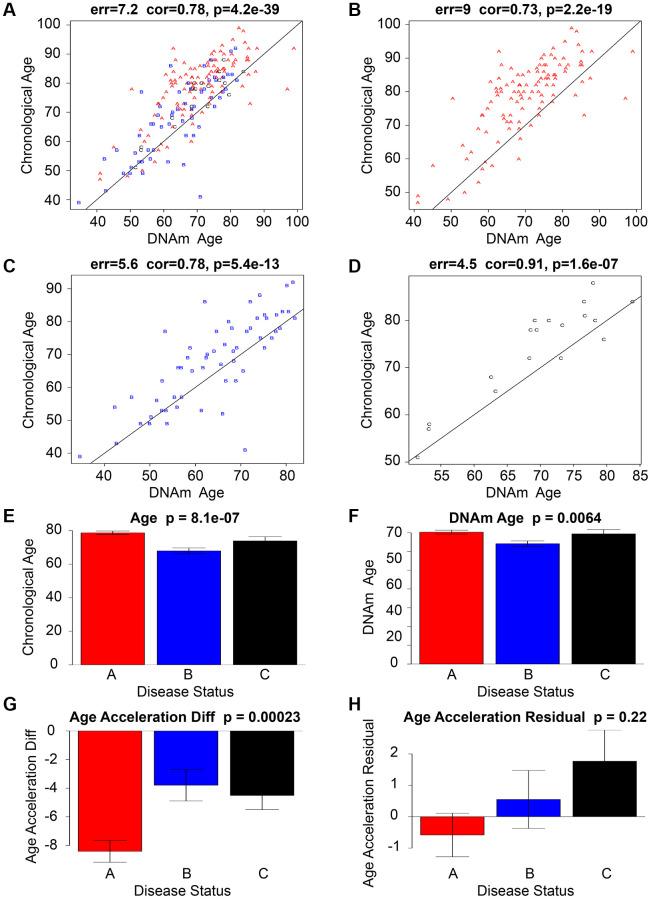
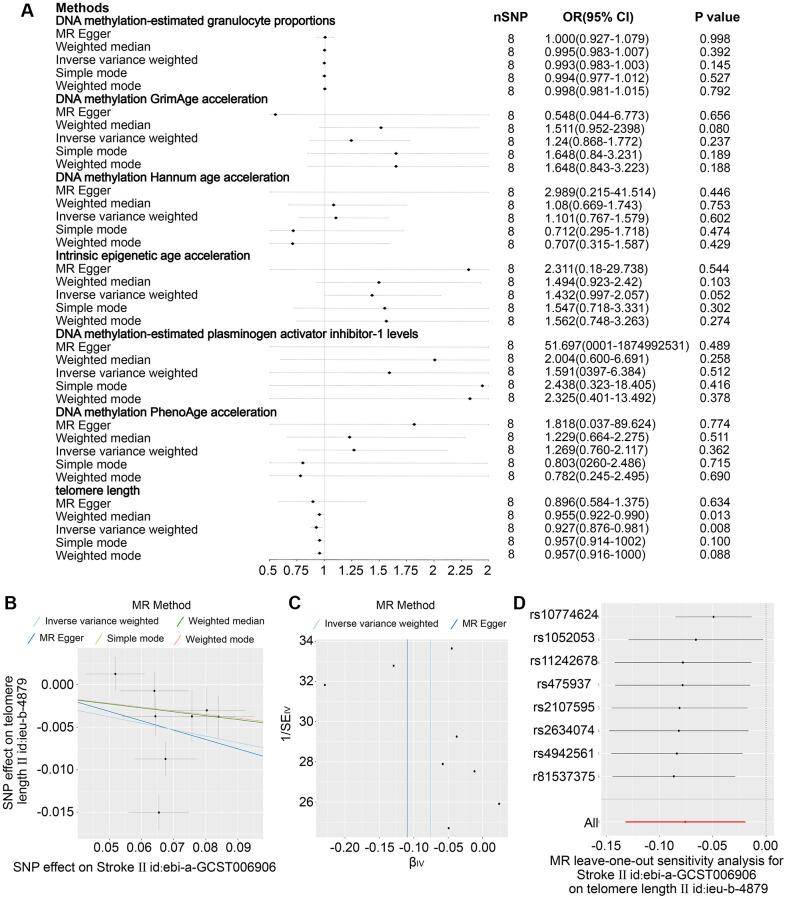
We analyzed a cohort of ischemic stroke patients, comparing DNAmAge with chronological age to measure age acceleration. We assessed variations in age acceleration among stroke subtypes and between sexes. Using Mendelian randomization, we examined the causal links between stroke, aging biomarkers like telomere length, and age acceleration's effect on stroke risk.
RESULTS
Our investigation reveals a pronounced association between ischemic stroke and age acceleration, most notably in patients with cardioembolic strokes, who exhibited a striking median difference of 9 years between DNAmAge and chronological age. Furthermore, age acceleration differed significantly across stroke subtypes and was higher in women than in men. In terms of causality, MR analysis indicated a modest negative effect of stroke on telomere length, but no causal effect of age phenotypes on stroke or its subtypes. However, some indication of a potential causal effect of ischemic stroke on PhenoAge acceleration was observed.
CONCLUSION
The study provides insight into the relationship between DNAmAge and ischemic stroke, particularly cardioembolic stroke, and suggests possible gender differences. These insights carry profound clinical significance and set stage for future investigations into the entwined pathways of stroke and accelerated aging.
背景
衰老 是一个复杂的生物学过程,在某些病理条件下可能会加速。DNA 甲基化年龄(DNAmAge)已成为生物学年龄的生物标志物,其与实际年龄可能不同。本研究深入探讨了快速衰老与缺血性中风之间的关系,探讨了中风与生物衰老指标之间潜在的双向因果影响。
方法
我们分析了一组缺血性中风患者,比较了 DNAmAge 与实际年龄,以衡量年龄加速。我们评估了中风亚型和性别之间年龄加速的变化。使用孟德尔随机化,我们研究了中风、衰老生物标志物(如端粒长度)与年龄加速对中风风险的因果关系。
结果
我们的研究表明,缺血性中风与年龄加速之间存在明显关联,尤其是在心源性栓塞性中风患者中,DNAmAge 与实际年龄之间存在显著的 9 年中位数差异。此外,中风亚型之间的年龄加速存在显著差异,女性的年龄加速高于男性。就因果关系而言,MR 分析表明中风对端粒长度有适度的负面影响,但年龄表型对中风或其亚型没有因果影响。然而,观察到缺血性中风对 PhenoAge 加速的潜在因果效应的一些迹象。
结论
该研究深入了解了 DNAmAge 与缺血性中风,特别是心源性栓塞性中风之间的关系,并提示可能存在性别差异。这些见解具有深远的临床意义,并为未来研究中风和加速衰老之间错综复杂的途径奠定了基础。


 Zotero 插件