
超级传播者导致了医院发生的 COVID-19 感染最大规模的爆发。
Superspreaders drive the largest outbreaks of hospital onset COVID-19 infections.
机构信息
MRC Biostatistics Unit, University of Cambridge, East Forvie Building, Forvie Site, Robinson Way, Cambridge, United Kingdom.
Institut für Biologische Physik, Universität zu Köln, Köln, Germany.
出版信息
Elife. 2021 Aug 24;10:e67308. doi: 10.7554/eLife.67308.
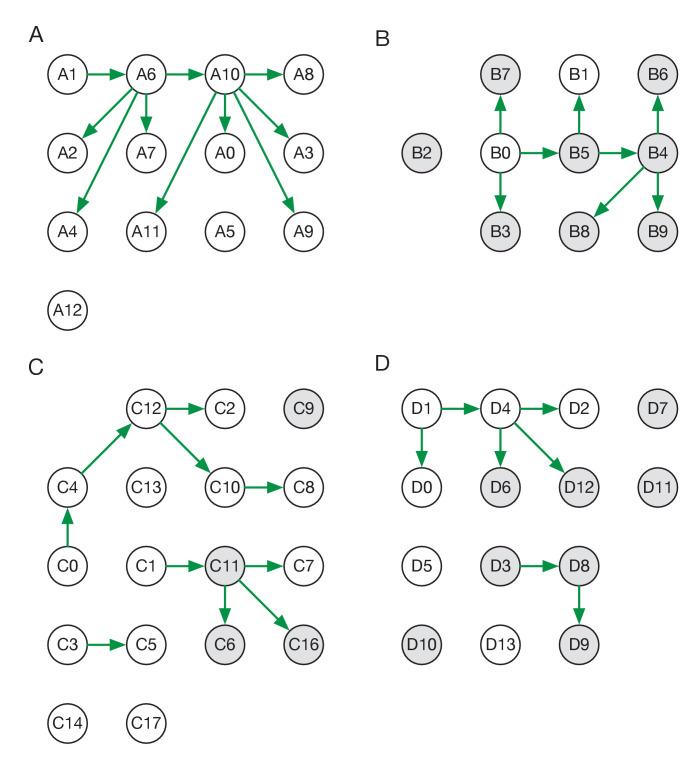
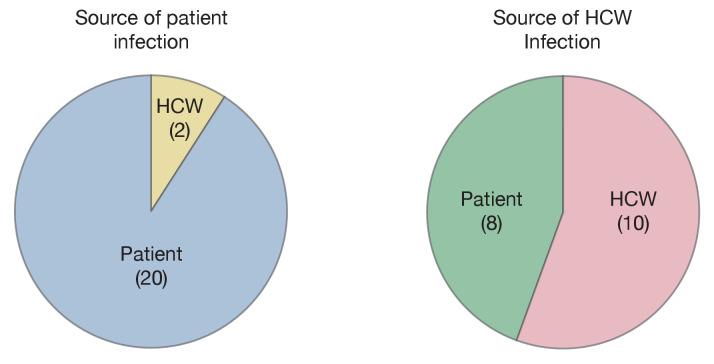
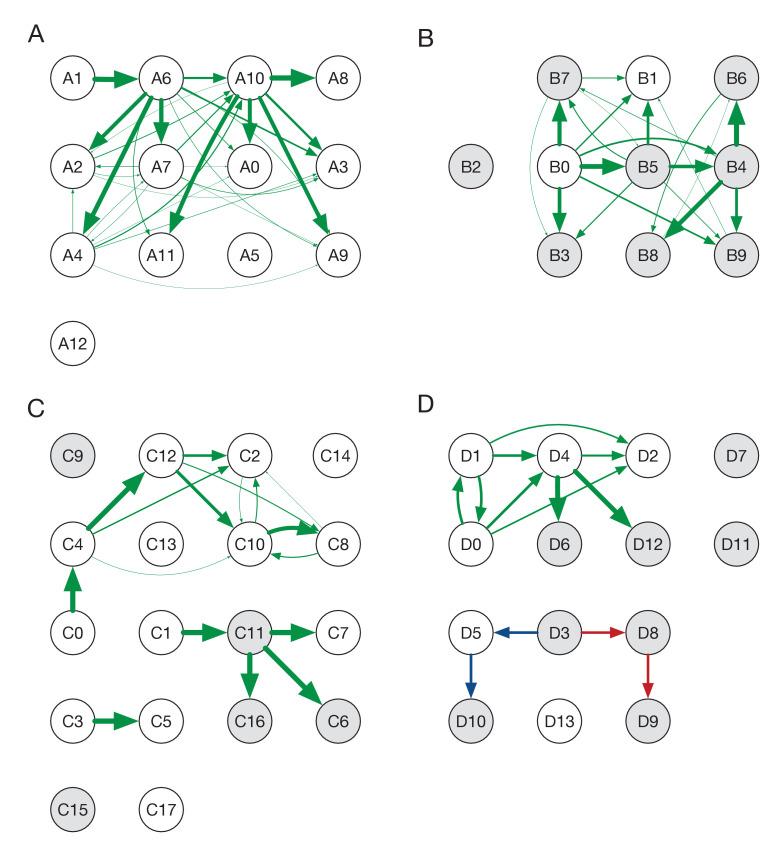
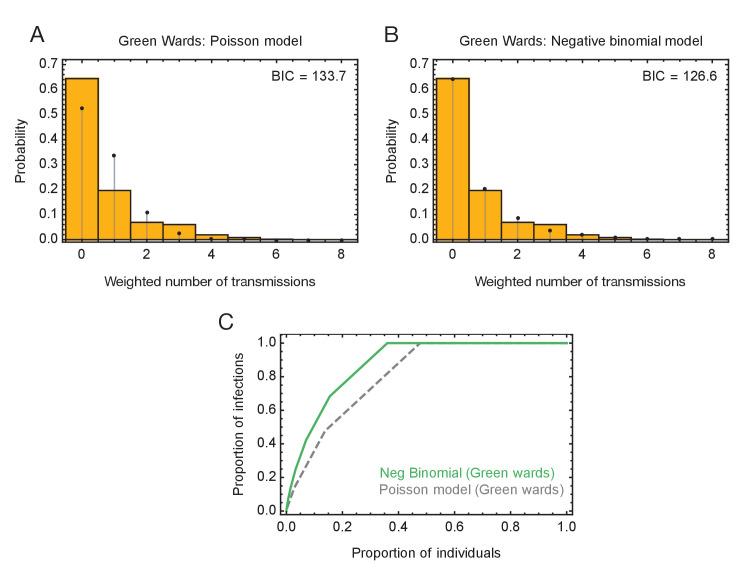
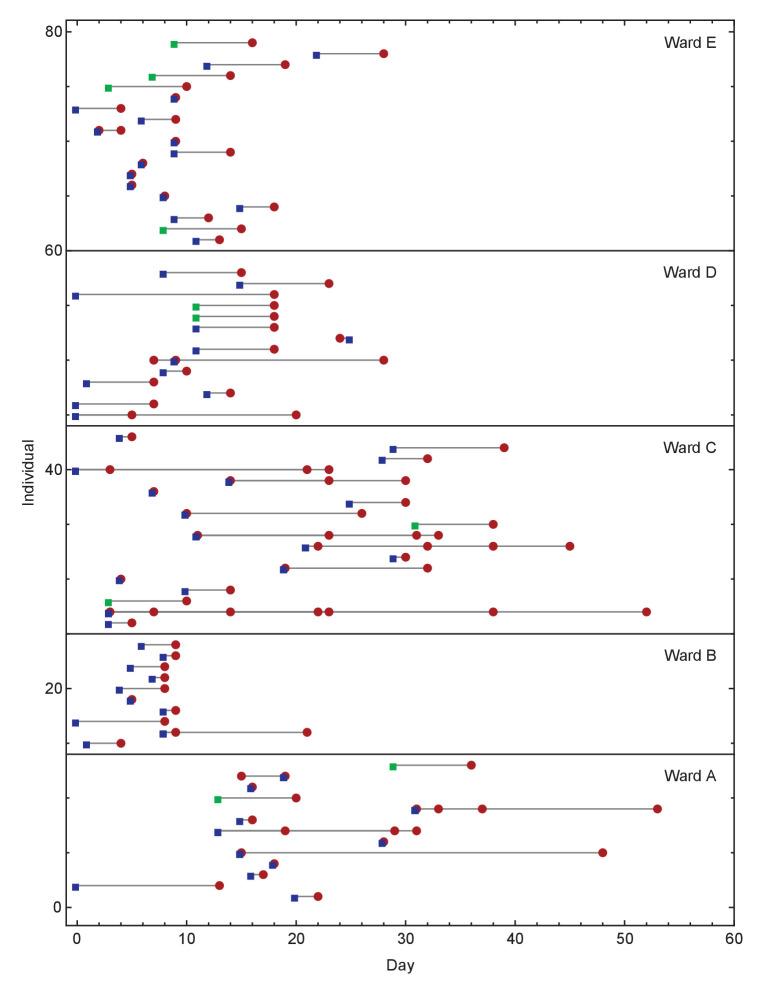
SARS-CoV-2 is notable both for its rapid spread, and for the heterogeneity of its patterns of transmission, with multiple published incidences of superspreading behaviour. Here, we applied a novel network reconstruction algorithm to infer patterns of viral transmission occurring between patients and health care workers (HCWs) in the largest clusters of COVID-19 infection identified during the first wave of the epidemic at Cambridge University Hospitals NHS Foundation Trust, UK. Based upon dates of individuals reporting symptoms, recorded individual locations, and viral genome sequence data, we show an uneven pattern of transmission between individuals, with patients being much more likely to be infected by other patients than by HCWs. Further, the data were consistent with a pattern of superspreading, whereby 21% of individuals caused 80% of transmission events. Our study provides a detailed retrospective analysis of nosocomial SARS-CoV-2 transmission, and sheds light on the need for intensive and pervasive infection control procedures.
SARS-CoV-2 的传播速度非常快,其传播模式也存在异质性,有多个已发表的超级传播行为的案例。在这里,我们应用了一种新的网络重建算法,来推断在英国剑桥大学医院 NHS 基金会信托的首次疫情高峰期期间发现的最大 COVID-19 感染群中患者与医护人员(HCW)之间发生的病毒传播模式。根据报告症状的个人的日期、记录的个人位置和病毒基因组序列数据,我们发现个体之间的传播模式不均匀,患者感染其他患者的可能性远远大于感染 HCW。此外,数据与超级传播模式一致,即 21%的个体导致 80%的传播事件。我们的研究提供了对医院获得性 SARS-CoV-2 传播的详细回顾性分析,并揭示了需要强化和广泛的感染控制程序。








 Zotero 插件