
唾液诊断学:唾液组学、唾液外泌体组学和唾液液体活检。
Saliva diagnostics: Salivaomics, saliva exosomics, and saliva liquid biopsy.
出版信息
J Am Dent Assoc. 2023 Aug;154(8):696-704. doi: 10.1016/j.adaj.2023.05.006.
BACKGROUND
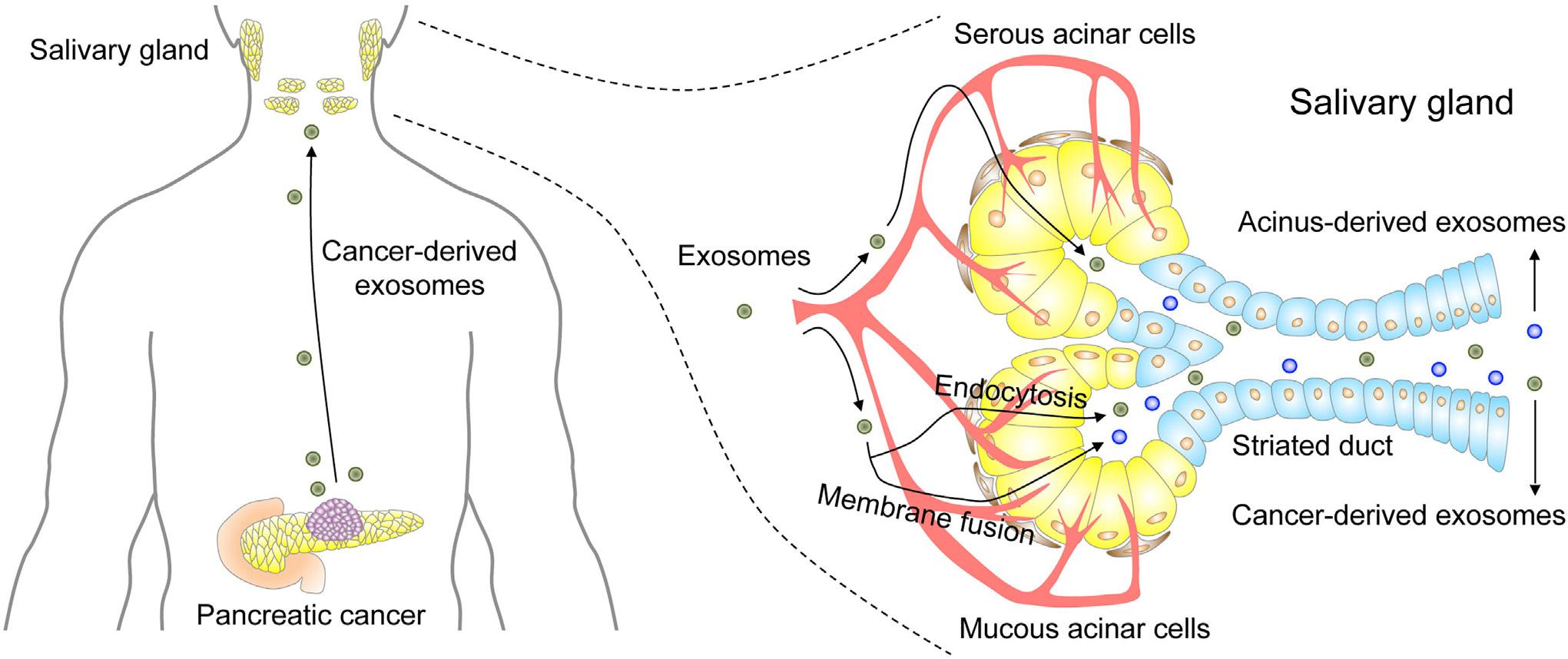
Each day, humans produce approximately 0.5 through 1.5 liters of saliva, a biofluid that is rich in biological omic constituents. Our lack of understanding how omic biomarkers migrate from diseased tissue to the saliva has impeded the clinical translation of saliva testing. Although such biomarkers must be conveyed via the vascular and lymphatic systems to the salivary glands, the molecular mechanisms that underlie this transport remain unclear. Although COVID-19 highlighted the need for rapid and reliable testing for infectious diseases, it represents only one of the many health conditions that potentially can be diagnosed using a saliva sample.
TYPES OF STUDIES REVIEWED
The authors discuss salivaomics, saliva exosomics, and the mechanisms on which saliva diagnostics are based and introduce a novel electrochemical sensing technology that may be exploited for saliva liquid biopsy.
RESULTS
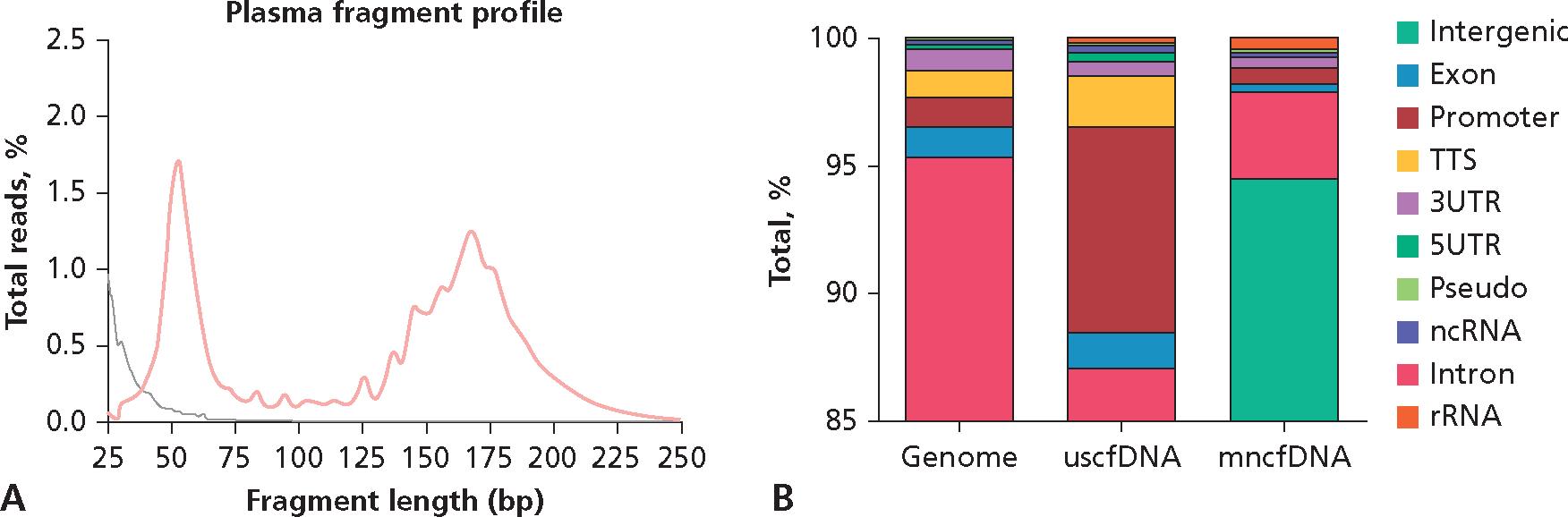
The utility of saliva for screening for lung cancer is under investigation. Saliva testing may be used to stratify patients, monitor treatment response, and detect disease recurrence. The authors also highlight the landscapes of saliva-based SARS-CoV-2 testing and ultrashort cell-free DNA and outline how these fields are likely to evolve in the near future.
PRACTICAL IMPLICATIONS
Breakthroughs in the study of saliva research, therefore, will facilitate clinical deployment of saliva-based testing.
背景
人类每天会产生大约 0.5 到 1.5 升的唾液,这是一种富含生物组学成分的生物液体。我们对于组学生物标志物如何从病变组织迁移到唾液中的了解有限,这阻碍了唾液检测的临床转化。尽管此类生物标志物必须通过血管和淋巴系统输送到唾液腺,但这种运输的分子机制仍不清楚。虽然 COVID-19 强调了对传染病进行快速可靠检测的必要性,但它只是可以通过唾液样本诊断的众多健康状况之一。
研究类型综述
作者讨论了唾液组学、唾液外组学以及基于唾液诊断的机制,并介绍了一种新型电化学传感技术,该技术可能被用于唾液液体活检。
结果
目前正在研究唾液用于筛查肺癌的用途。唾液检测可用于对患者进行分层、监测治疗反应和检测疾病复发。作者还强调了基于唾液的 SARS-CoV-2 检测和超短游离 DNA 的研究现状,并概述了这些领域在不久的将来可能如何发展。
实际意义
因此,唾液研究的突破将促进基于唾液的检测的临床应用。



 Zotero 插件